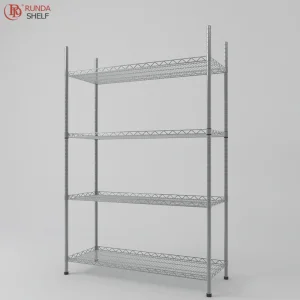
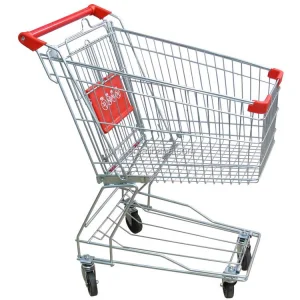
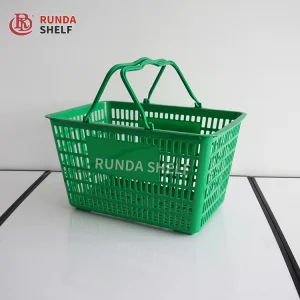
Engineered for high load capacity, optimized customer traffic flow, and superior commercial longevity.
Nanjing Fortis Storage Equipment Manufacturing Co., Ltd. - Leading China-based manufacturing powerhouse.
Established in 2016, Nanjing Fortis Storage Equipment Manufacturing Co., Ltd. commands a modern industrial plant covering 48,000 m². Driven by 10 years of deep industry expertise and 7 years of global trade experience, our annual export turnover reaches $35 million. We uphold strict quality control through ISO14001 and TUV standards, performing automated CMM dimensional inspections and salt spray corrosion testing with 62 full-time QA personnel. As a direct factory exporter, our key commercial footprints span Western Europe, South America, and the Middle East, integrated with a network of over 1,400 supply chain partners. Our client base mainly includes mega-warehouse developers, cold chain storage operators, and global retail chains. Our robust R&D team of 80 engineers specializes in bespoke structural adaptations, special surface coating treatments, and high-density racking configurations, introducing 350 innovative products to the global market last year.
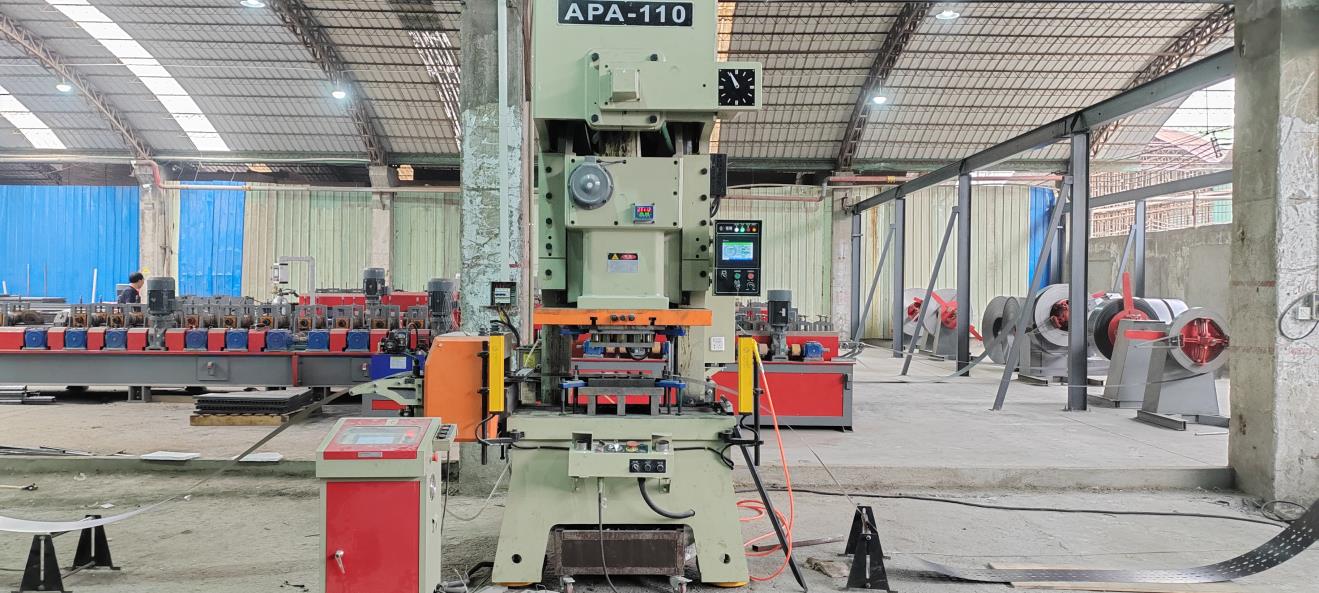
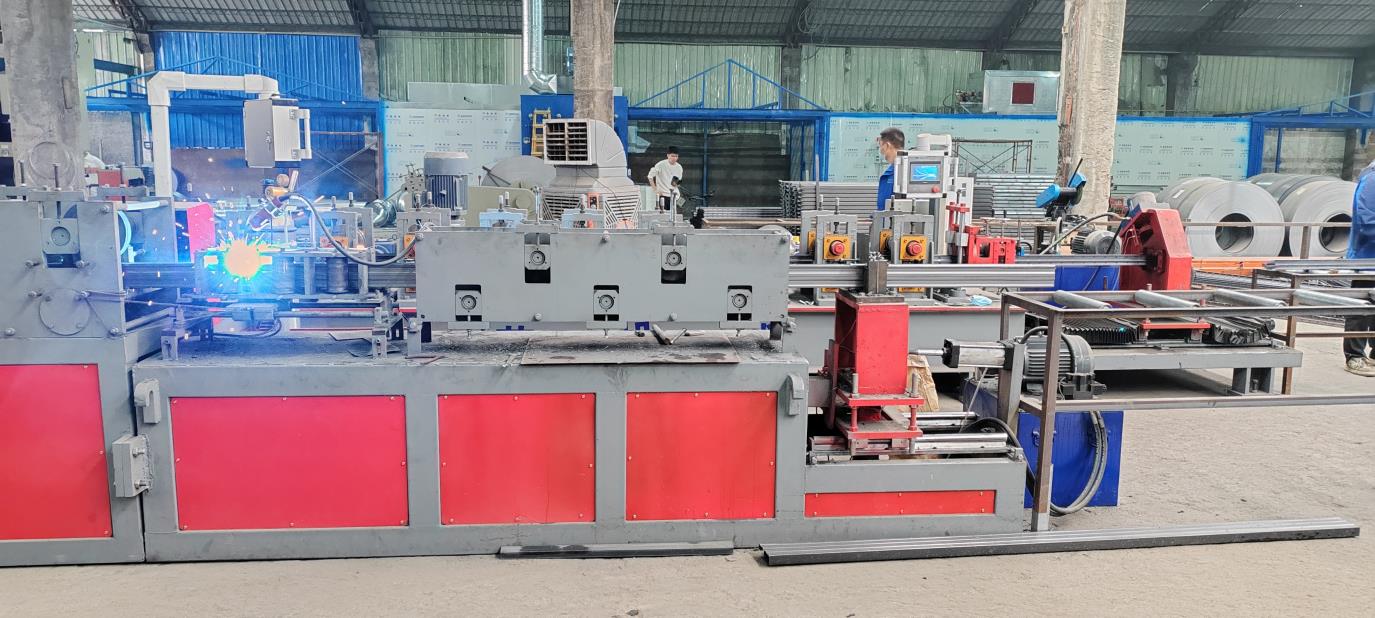
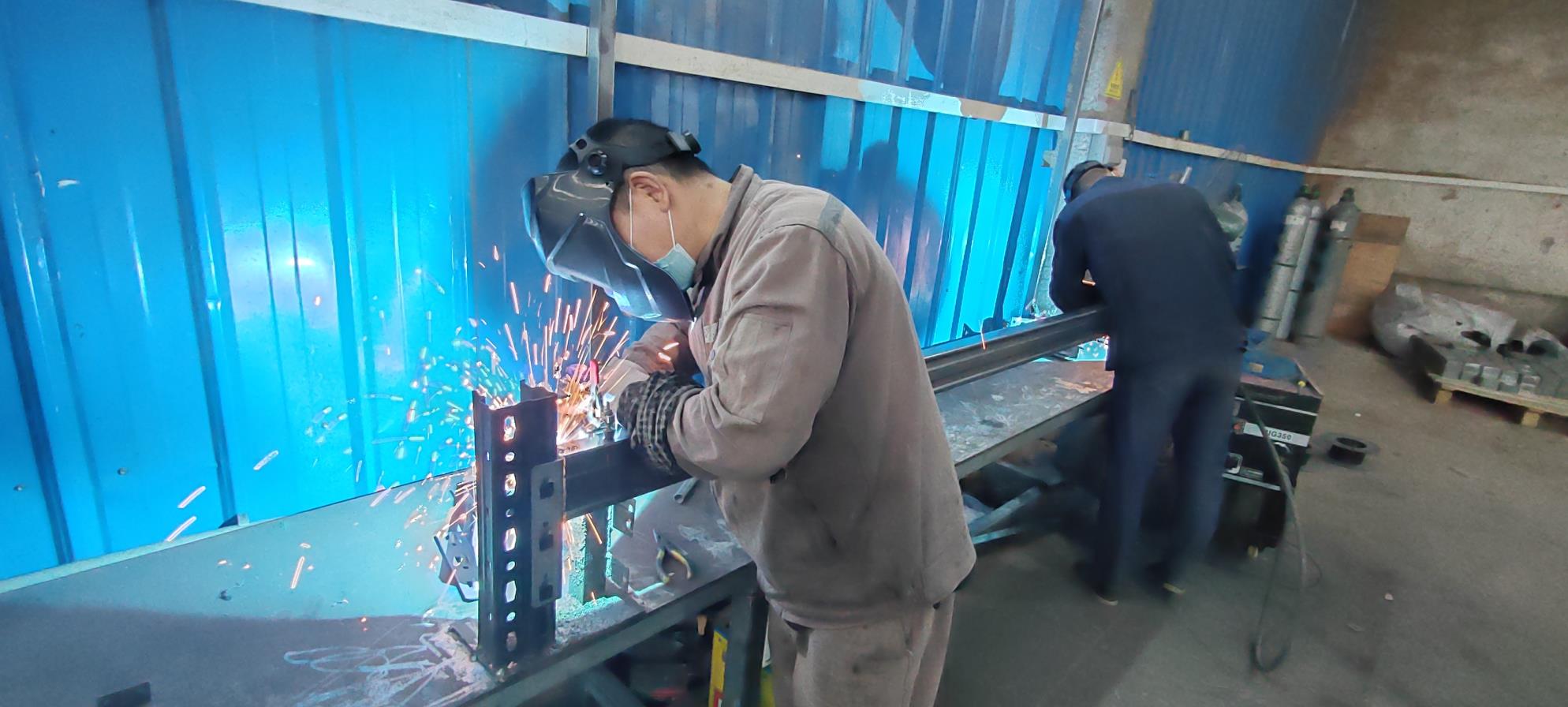
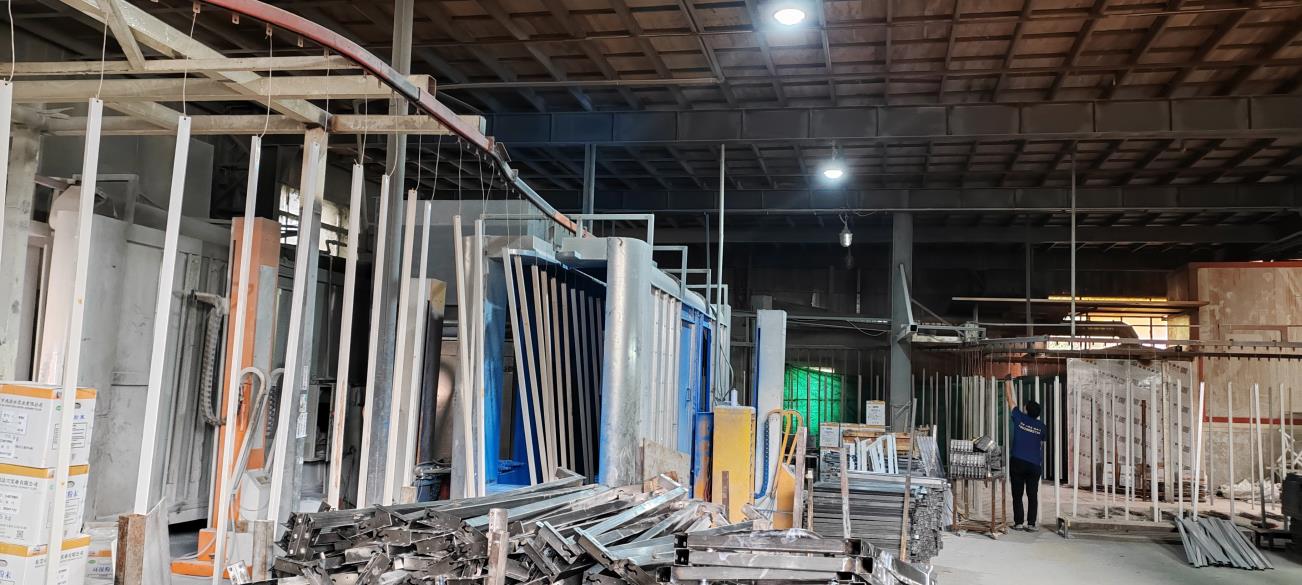
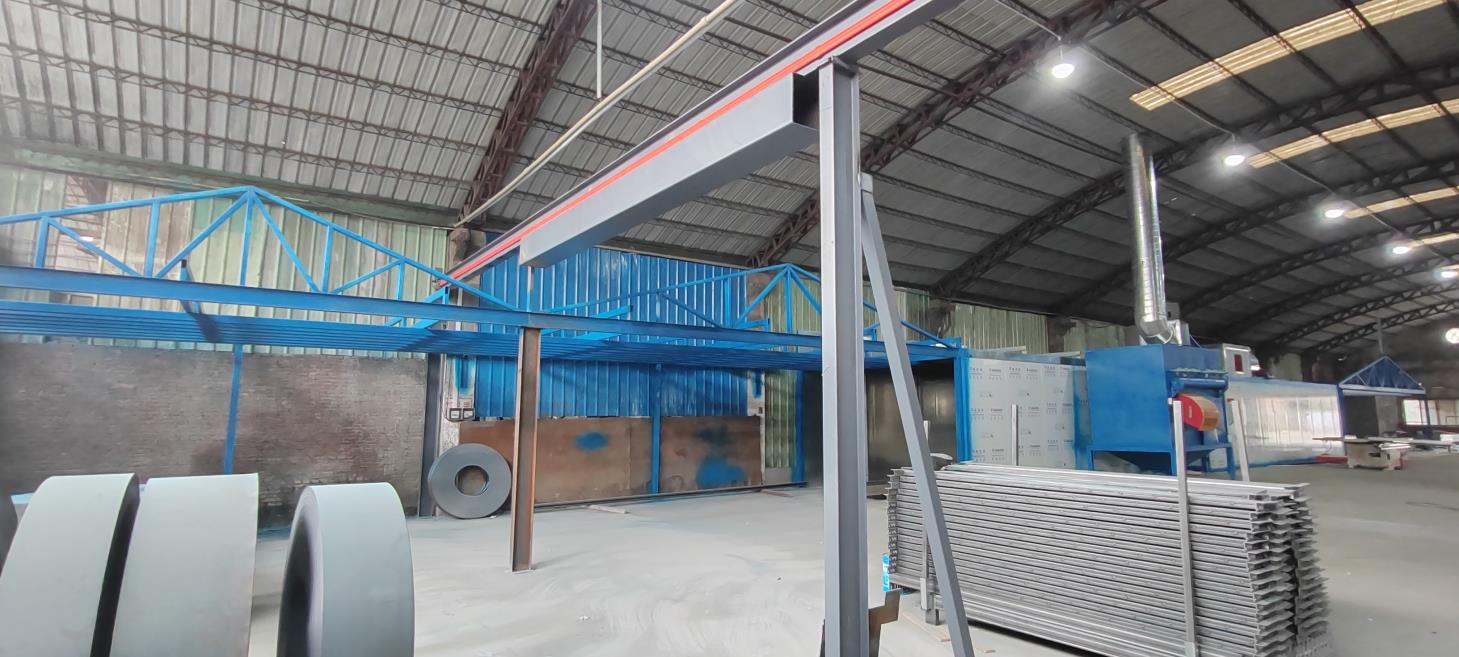
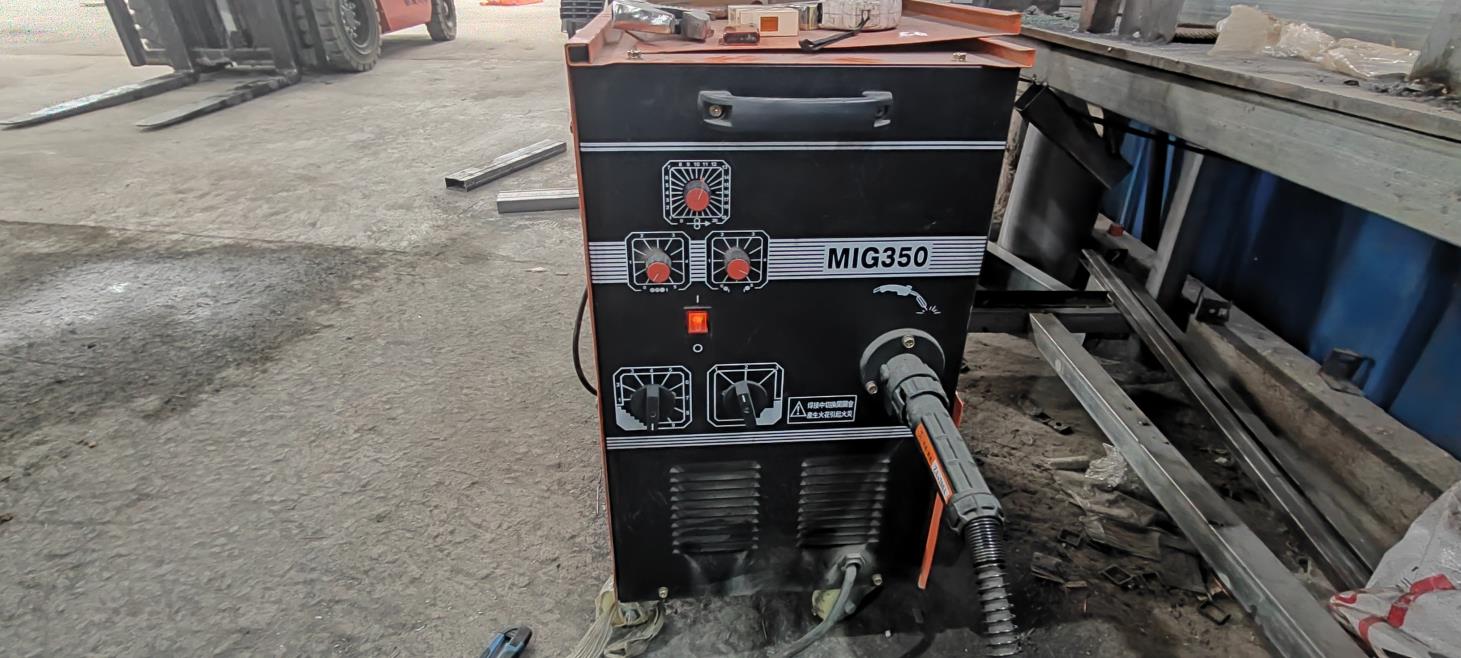
Witness our end-to-end traceably monitored production line, combining robotic fabrication and extreme quality testing.
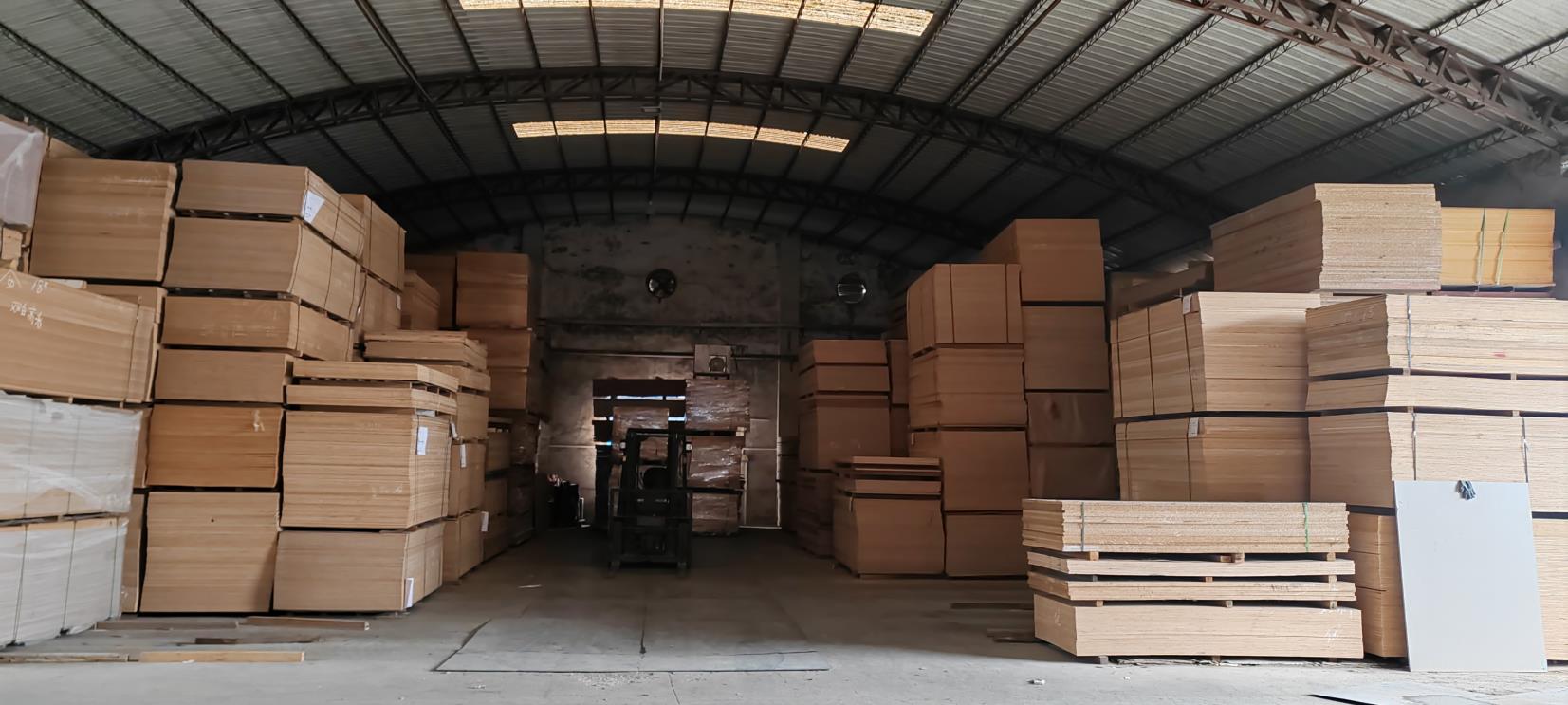
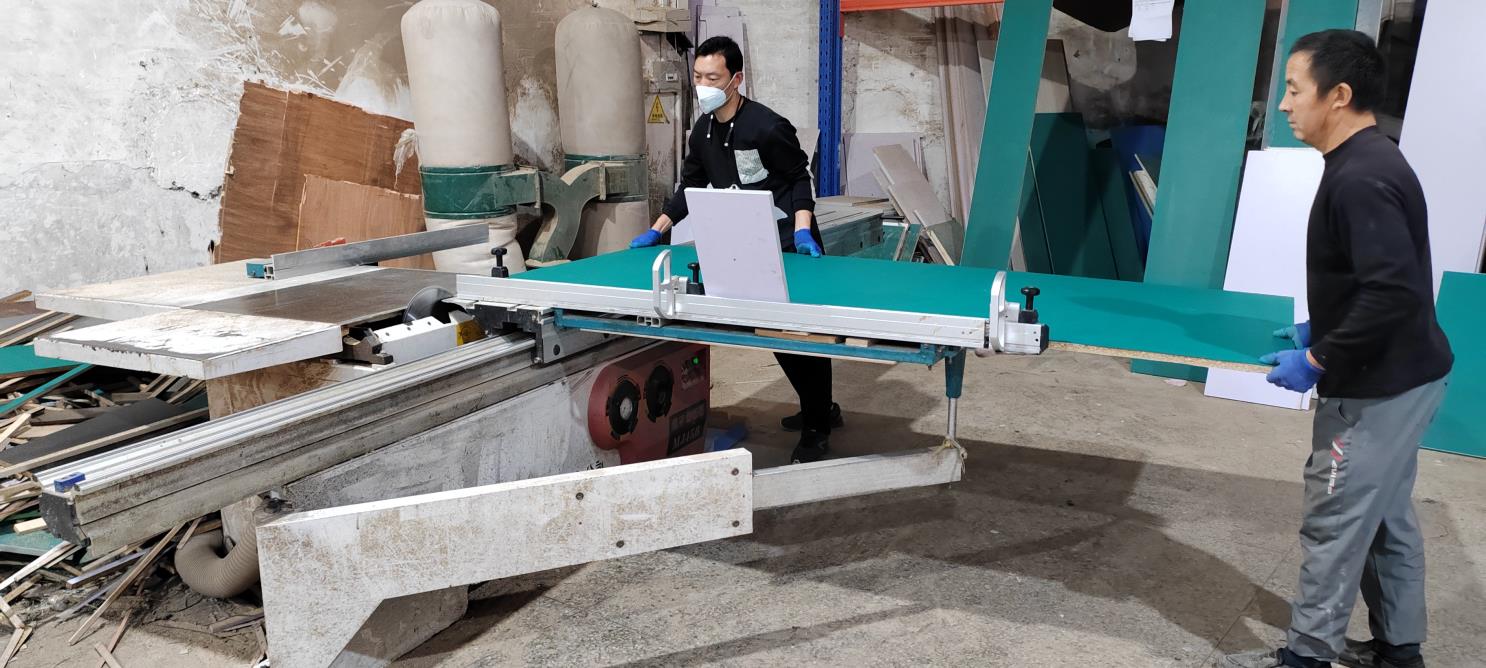
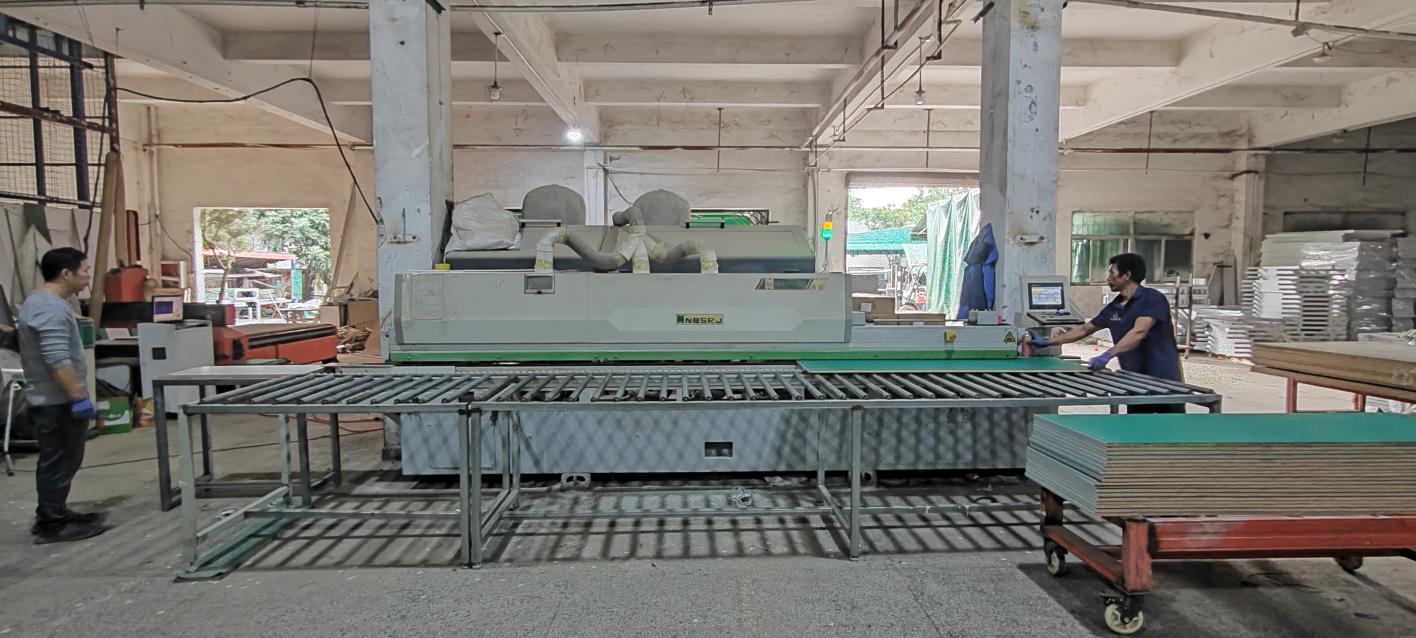
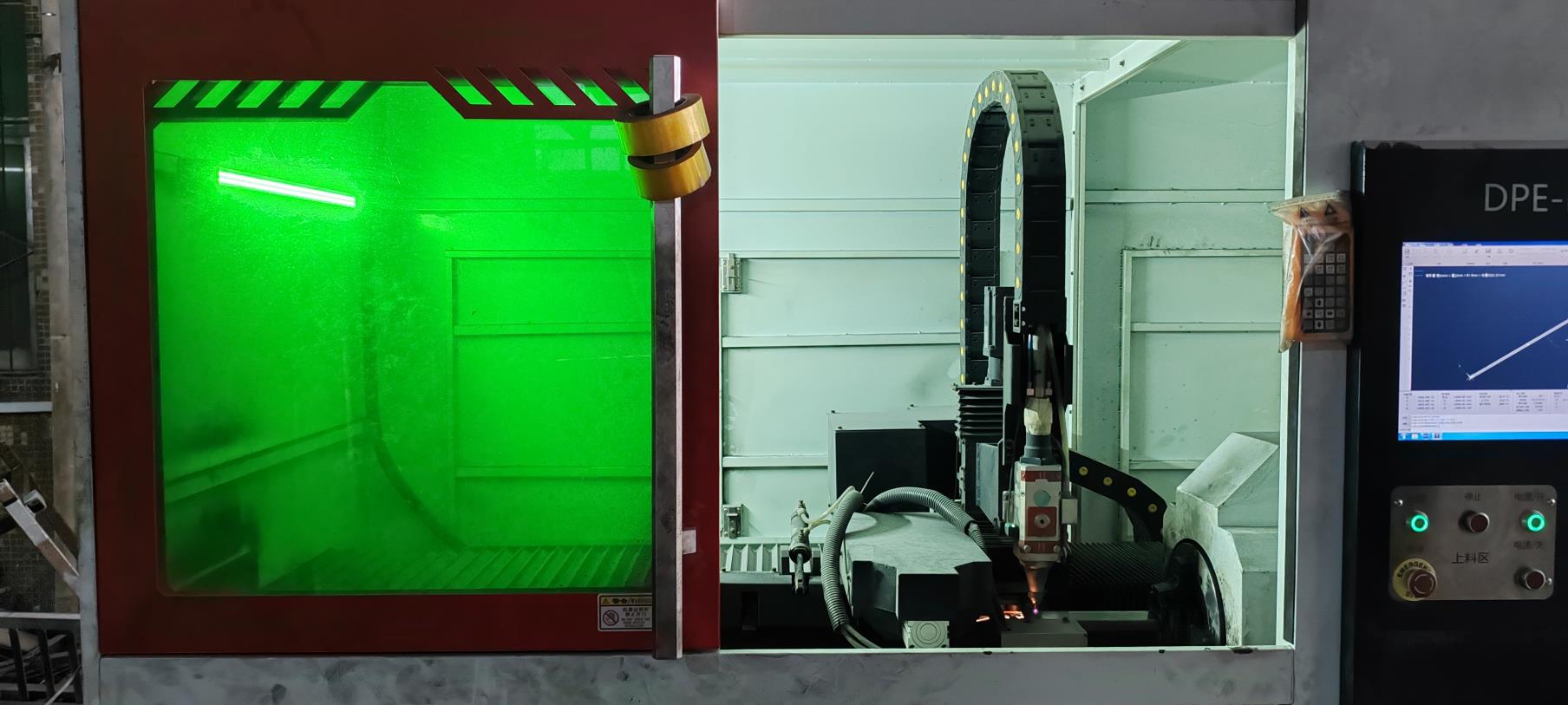
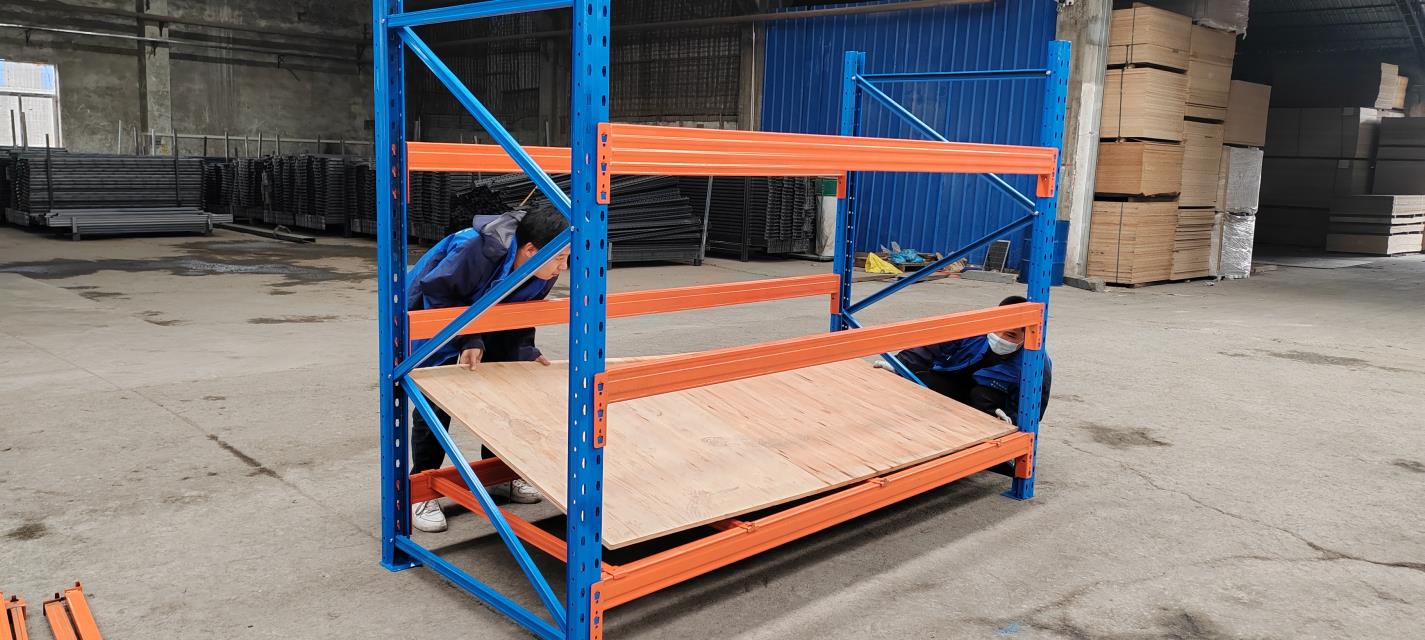
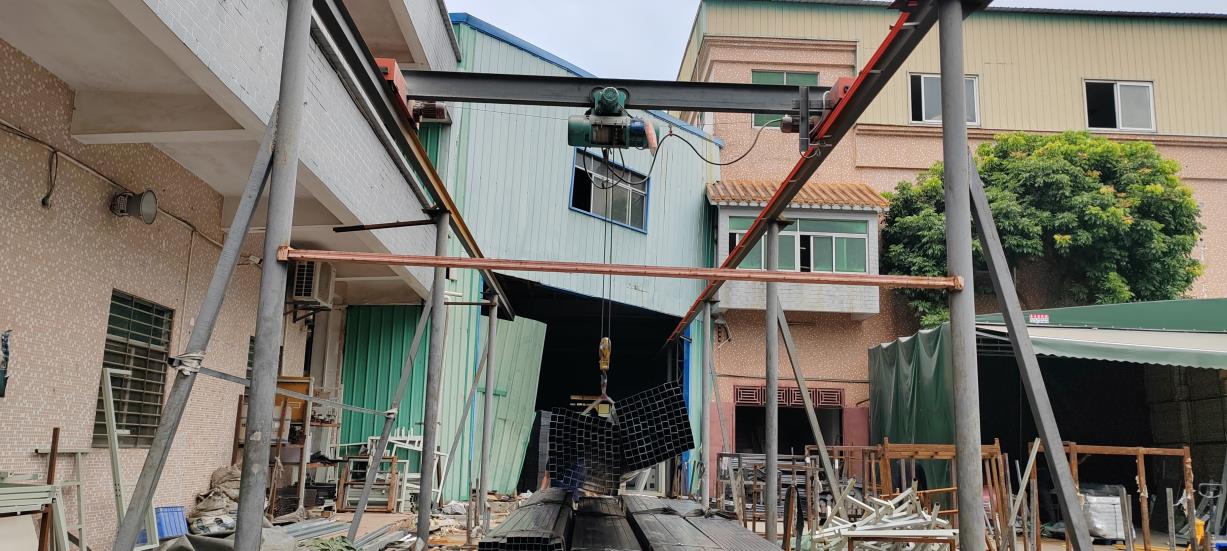
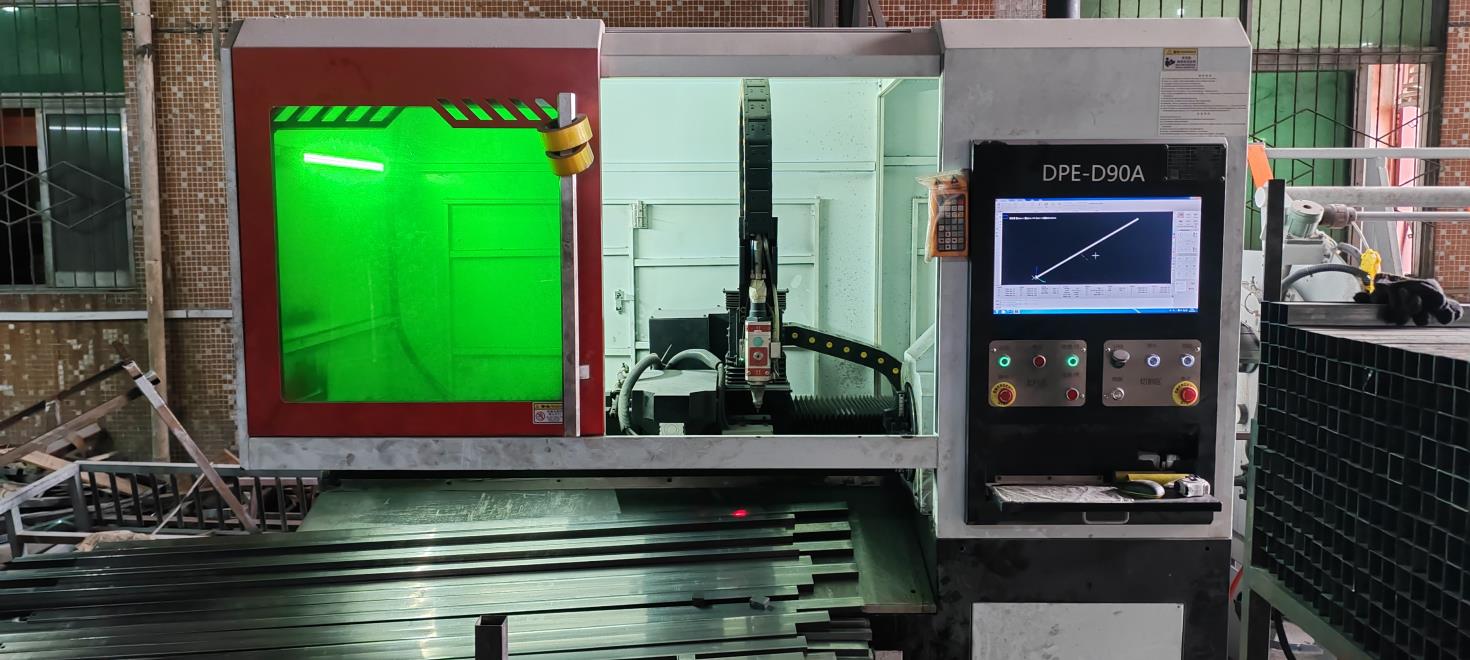
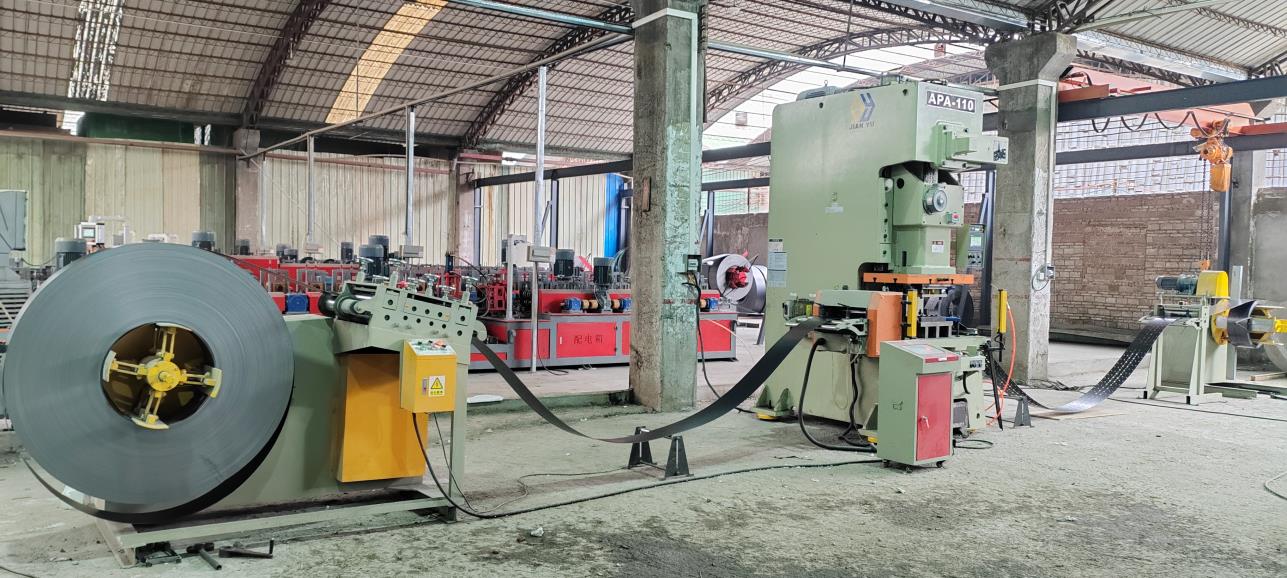
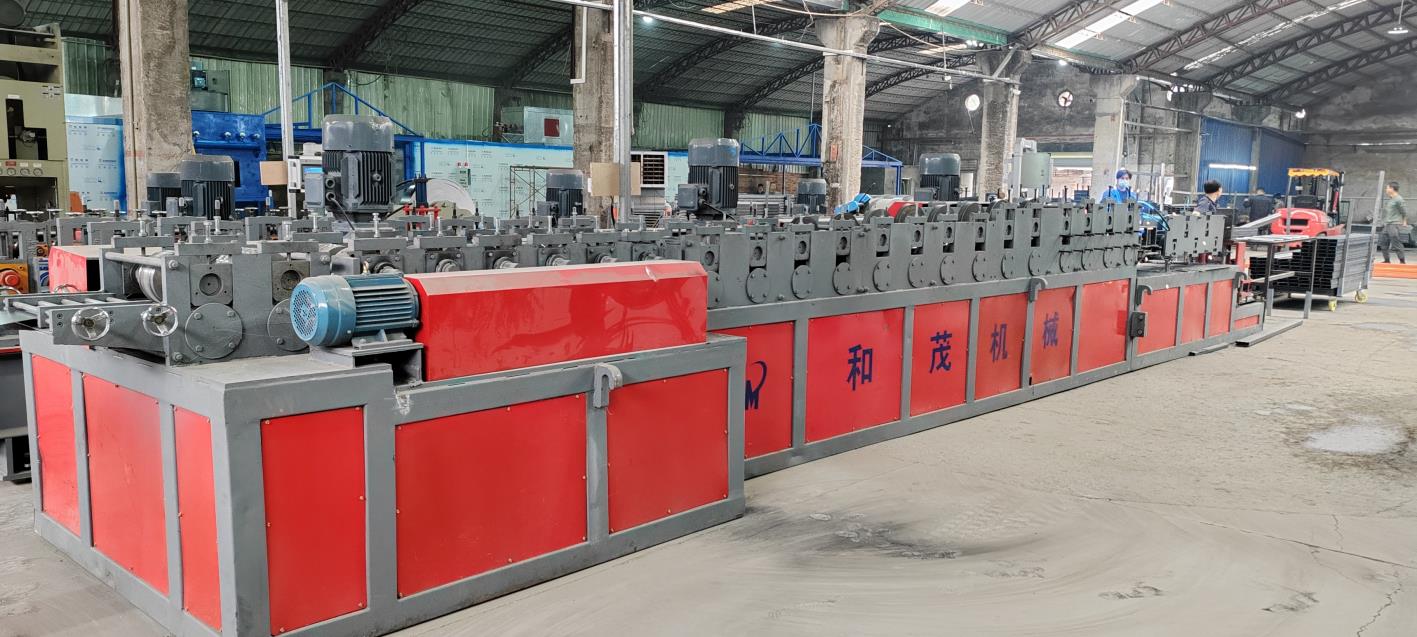
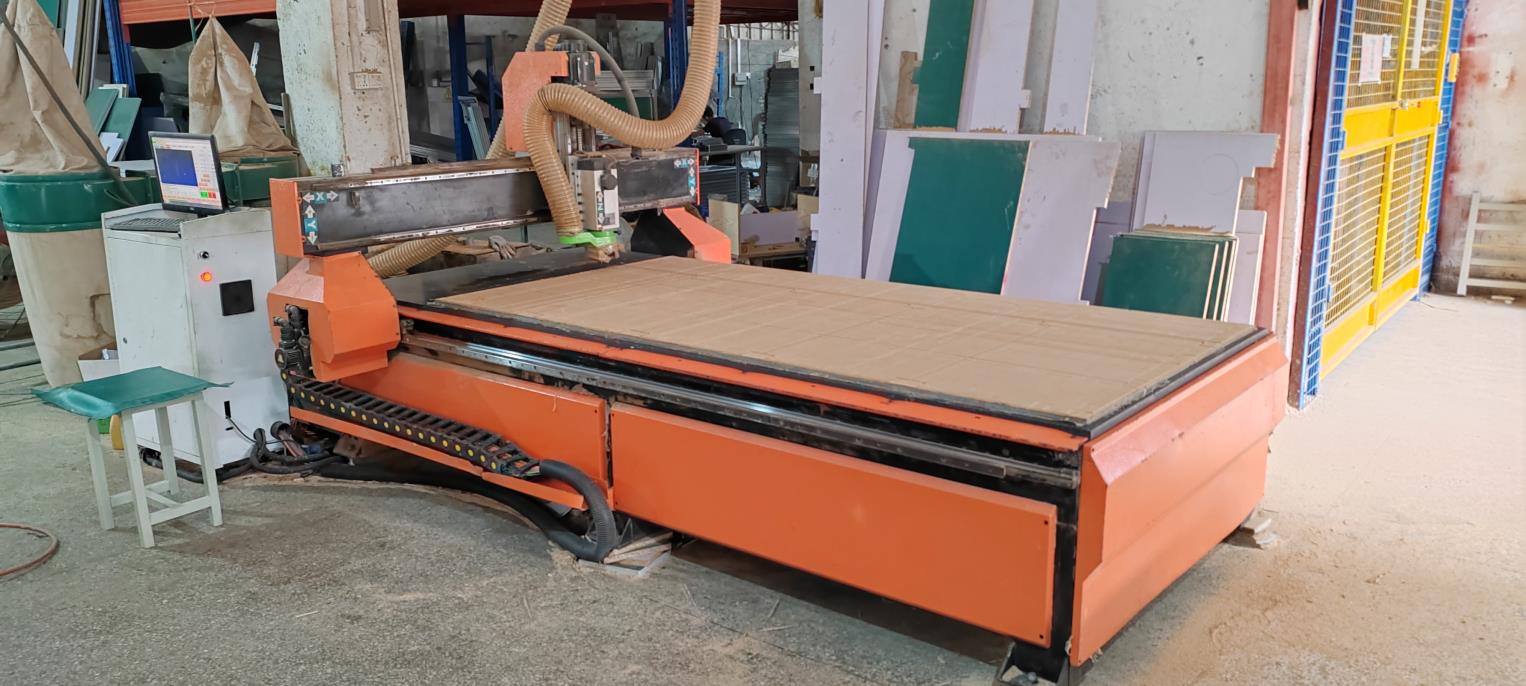
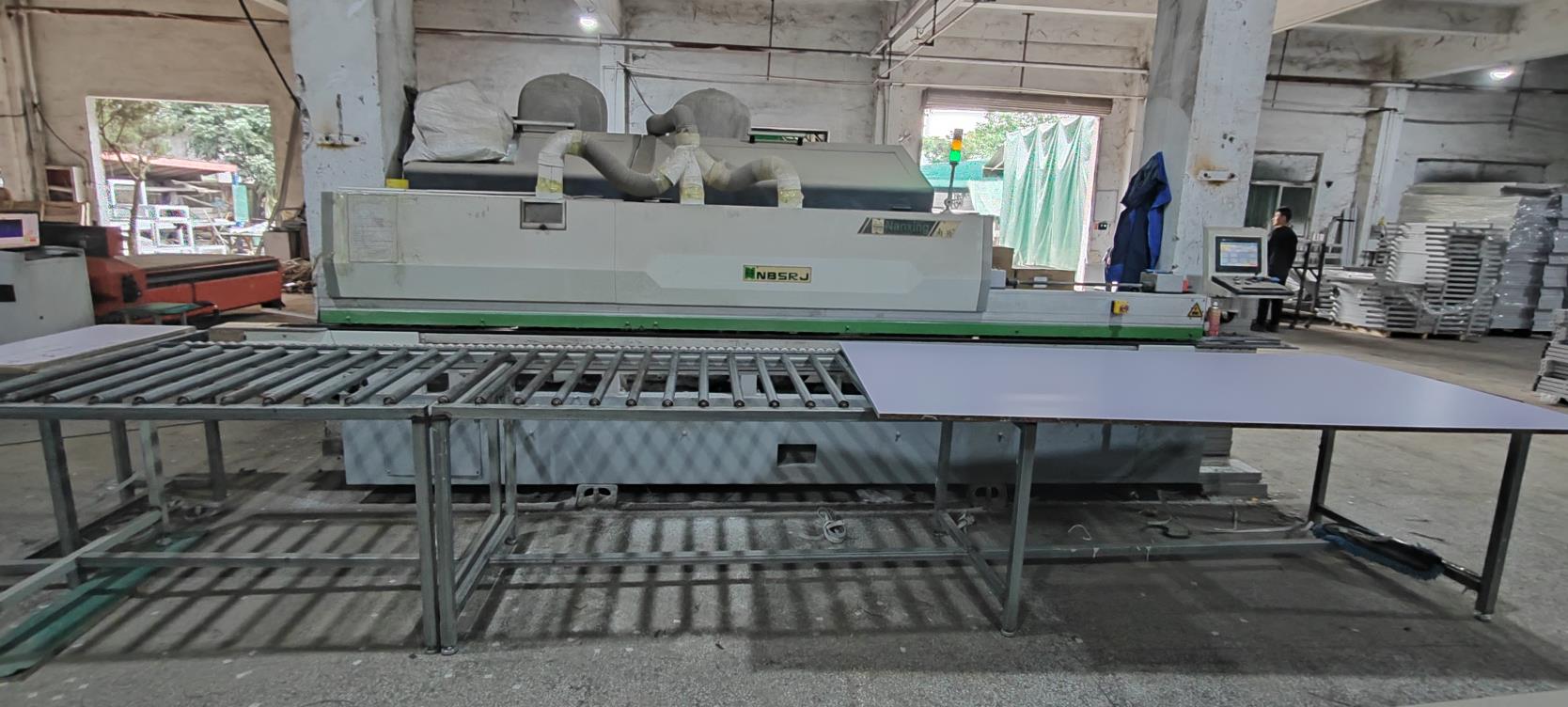
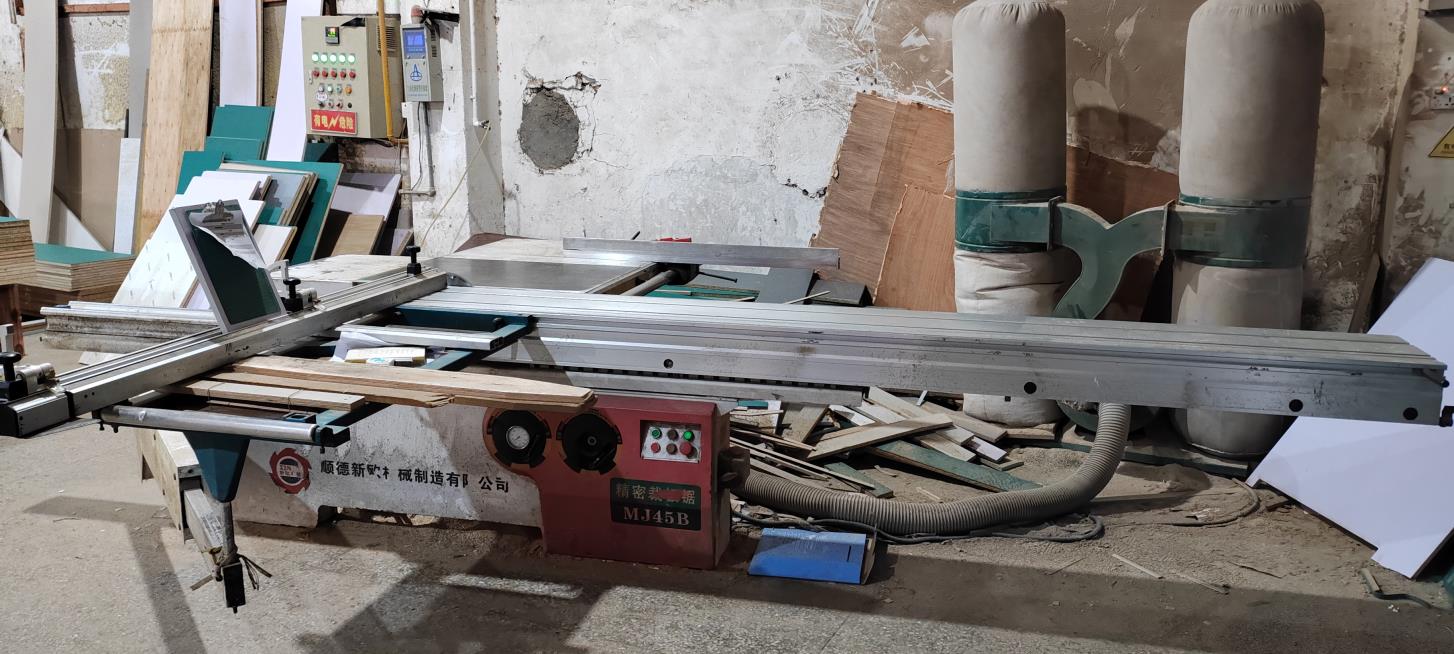
In modern high-velocity commerce, the physical supermarket shelf is no longer merely static steel for stacking goods. It is a highly engineered element of retail micro-economics, visual merchandising, and supply chain management. Across the globe, supermarket formats are shifting rapidly to accommodate omnichannel logistics, dark-store fulfillment, and complex consumer purchasing psychological pathways. Selecting the right supermarket shelf supplier impacts not just store aesthetics, but structural safety, operational floor flexibility, and direct return-on-investment (ROI) per square meter.
Historically, retail spaces categorized shelves under general "fixtures." Today, engineering guidelines demand strict conformance to structural stress analysis. With FMCG (Fast-Moving Consumer Goods) placing high-density weight profiles on lower and mid shelves, structural fatigue represents a significant liability risk. High-quality steel grades such as cold-rolled Q235B are the standard for premium global supermarkets, providing the structural ductility required to resist loading shocks, forklift collisions, and constant micro-vibrations without structural degradation.
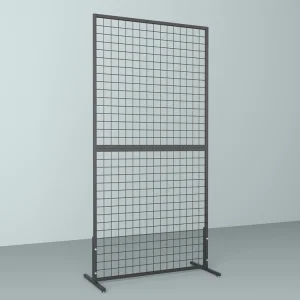
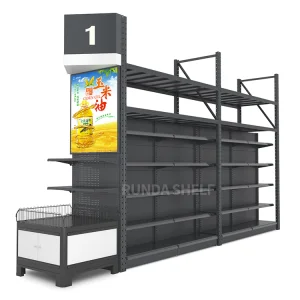
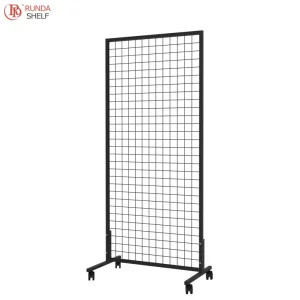
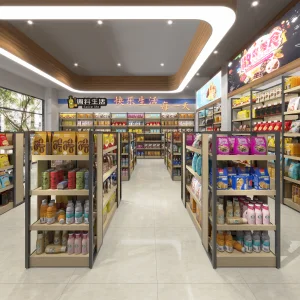
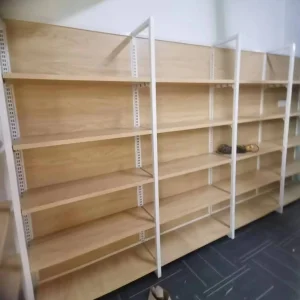
Global supermarket operators, from hypermarket giants in Western Europe to high-traffic neighborhood bodegas in South America, are restructuring store layouts to maximize floor efficiency. Modern layouts rely on modular gondola systems that can transition dynamically from single-sided grocery configurations to double-sided high-density product zones. This modularity requires precision punch holes on vertical uprights (commonly using 50mm, 25mm, or 41.3mm pitch spacings) to permit instantaneous bracket height adjustments without taking shelves out of service. Nanjing Fortis's design accommodates these modular configurations, allowing operators to scale up to 1000 kg ton feet systems for warehouse-integrated stores, or slim down to light-duty wire mesh display systems for cosmetics and stationery.
The post-pandemic retail ecosystem has driven the integration of online order fulfillment directly into the supermarket floorplan. Often, supermarket aisles serve as picking paths for delivery workers. In these high-intensity environments, shelf durability requirements skyrocket. Traditional wooden or low-gauge steel display stands fail under continuous metal cart impacts. Structural steel shelves with thick epoxy-polyester powder coatings—cured in automated high-temperature baking paint ovens—provide the scratch, rust, and impact protection necessary to survive continuous picking trolley contacts.
Global supply chains are frequently tested by raw material price volatility, logistical delays, and shifting regulatory frameworks. In this challenging landscape, Nanjing Fortis maintains operational continuity and price stability through a combination of localized raw material sourcing, heavy automated infrastructure, and deep integration with a robust supply network of over 1,400 upstream and downstream partners. Our manufacturing capacity operates with exceptional engineering resilience, guaranteeing that heavy volume orders are manufactured and dispatched on time, regardless of global trade headwinds.
Our proximity to China's premier steel mills allows us to source certified structural grade steel directly. This bypasses intermediary trading markups and maintains strict material trace certification. Every batch of sheet metal and wire mesh undergoes tensile strength verification before being introduced to our cutting-edge fiber laser cutters.
Traditional manufacturing relies on manual stamping, which compromises dimensional tolerance. Our modern factory employs automated CNC punching machines and high-power laser cutting equipment. This ensures that every bracket hook, upright post slot, and shelf support channel matches design files down to the sub-millimeter level.
Our dedicated quality assurance division carries out strict non-destructive testing, dimensional checks via Coordinate Measuring Machines (CMM), and accelerated environment simulations. This rigorous verification underpins our TUV and ISO14001 compliance certifications, delivering absolute reliability to major retail accounts.
The supermarket shelf is evolving beyond standard structural steel. Future-focused engineering integrates smart technologies that convert traditional displays into data-collecting, customer-engaging retail interfaces. Nanjing Fortis is at the absolute forefront of this technological shift, testing next-generation structural configurations and digital surface integrations.
Smart inventory management is driving the demand for shelves that monitor stock levels automatically. By integrating micro weight-sensors directly within the double-sided gondola platform structure, the shelf can communicate directly with store ERP systems. When stock on a shelf falls below a predetermined weight threshold, automated notifications prompt real-time restocking. This drastically reduces out-of-stock events and increases sales velocities.
Manually changing paper labels is costly and prone to human error. Nanjing Fortis has designed specialized mounting rails on all standard grocery steel shelves to natively support and protect Electronic Shelf Labels (ESL). These rails incorporate low-profile data channels that protect IoT wiring harnesses, ensuring stores can dynamically update pricing across thousands of SKUs in seconds without disrupting display aesthetics.
With global supply chains transitioning to carbon-neutral operations, surface treatments must align with environmental standards. Our modern powder coating paint lines utilize VOC-free (Volatile Organic Compound) electrostatic thermosetting powder coatings. This reduces manufacturing emissions while creating a barrier that resists corrosion, humidity, and abrasive chemical sanitizers commonly used in food-handling environments.
Our product catalog is structurally engineered to adapt to diverse international regulatory environments and shopping habits.
European supermarkets demand compliance with strict EN 15512 safety codes. Our designs for Western European operators feature reinforced shelf base structures, integrated safety pins on all support brackets, and zero sharp edges. The finishes are tuned to modern aesthetics—incorporating subtle matte grays and white grid systems that suit high-end organic grocers and boutique retailers.
Hypermarket models in the Middle East demand wide, high-bay shelving structures capable of holding heavy bulk goods. Additionally, close proximity to coastal environments requires superior anti-corrosive treatments. Nanjing Fortis implements specialized multi-stage zinc phosphate pre-treatments followed by thick powder coatings, achieving outstanding ratings under continuous salt spray testing.
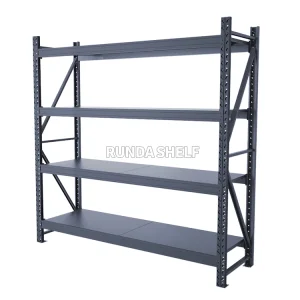
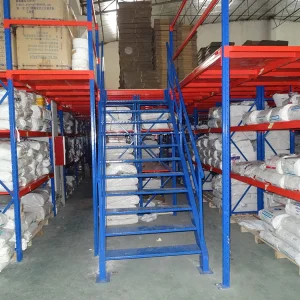
Retail environments in South America often combine traditional wholesale club concepts with consumer retail space (Cash & Carry). This requires shelves that transition from high-density heavy pallet storage on top (up to 1000 kg capacity) to eye-level retail displays below. Nanjing Fortis specializes in hybrid racking-shelving configurations that optimize vertical space safely.
When selecting a Chinese factory partner, global procurement teams must verify compliance, auditing safety standards, and logistical risk mitigation. Nanjing Fortis addresses these concerns through institutional quality certifications and local engineering support designed to match global corporate expectations.
Technical and procurement queries answered directly by Nanjing Fortis's engineering and export divisions.
Explore our complete commercial ecosystem, designed to streamline store operations and maximize average order value.
 FortisRack