Explore our engineering-grade structural warehouse solutions designed to optimize high-density pallet and long-goods storage configurations across complex manufacturing sectors.
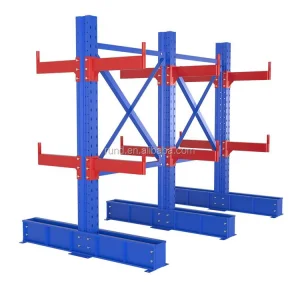
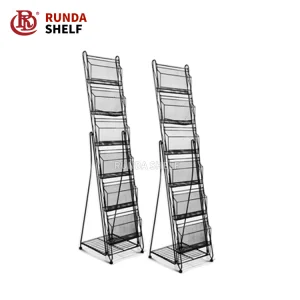
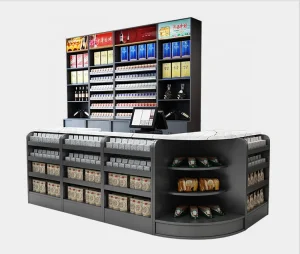
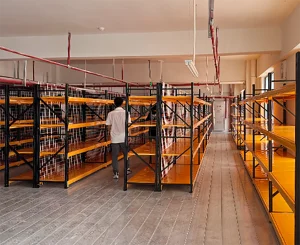
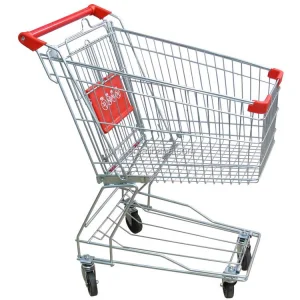
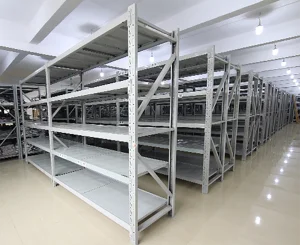
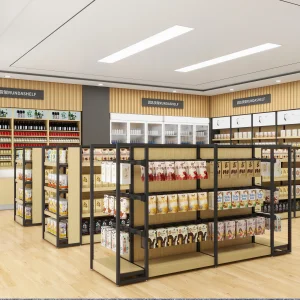
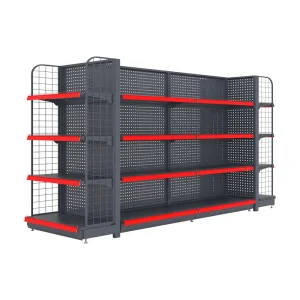
Evaluating high-density warehouse storage setups through structural mechanics, international compliance certifications, and total cost of ownership (TCO) benchmarks.
Industrial procurement agents sourcing stacking racks (often termed nestainers, post pallets, or portable storage racks) must move beyond basic dimension metrics. A structural failure in high-density stacking environments presents severe physical risk and warehouse downtime. Dynamic loading parameters depend heavily on structural steel grade, welding structural integrity, and structural optimization under vertical load.
When selecting a global partner, supply chain decision-makers must evaluate finite element analysis (FEA) data. Racking system design forces should accommodate dynamic deflection ratios (typically limited to L/200 of the span). For safety compliance, critical racking components must employ raw carbon structural steel like Q235B or Q355B. This ensures acceptable yield and tensile strengths under extreme loading profiles.
Global logistics operations are transitioning from static storage arrays toward smart, semi-automated warehouse environments. Stackable modular racks must adapt to this evolution. Automation trends demand narrow manufacturing tolerances. High-precision automated guided vehicles (AGVs) and autonomous mobile robots (AMRs) require precise positioning tolerances of ±2.0mm. Standard stackable racks built with high manual margins are unsuitable for automated retrieval systems.
Modern stacking rack design trends focus on integration: forklift guide rails, robotic optical alignment plates, and specialized base runner tracks designed for heavy-duty roller conveyors. These adaptations prevent misalignment accidents during high-speed, unmanned loading cycles.
A global racking manufacturer combining large-scale industrial capability with rigorous QA controls.
Established in 2016, Nanjing Fortis Storage Equipment Manufacturing Co., Ltd. commands a modern industrial plant covering 48,000 m². Driven by 10 years of deep industry expertise and 7 years of global trade experience, our annual export turnover reaches $35 million. We uphold strict quality control through ISO14001 and TUV standards, performing automated CMM dimensional inspections and salt spray corrosion testing with 62 full-time QA personnel. As a direct factory exporter, our key commercial footprints span Western Europe, South America, and the Middle East, integrated with a network of over 1,400 supply chain partners. Our client base mainly includes mega-warehouse developers, cold chain storage operators, and global retail chains. Our robust R&D team of 80 engineers specializes in bespoke structural adaptations, special surface coating treatments, and high-density racking configurations, introducing 350 innovative products to the global market last year.
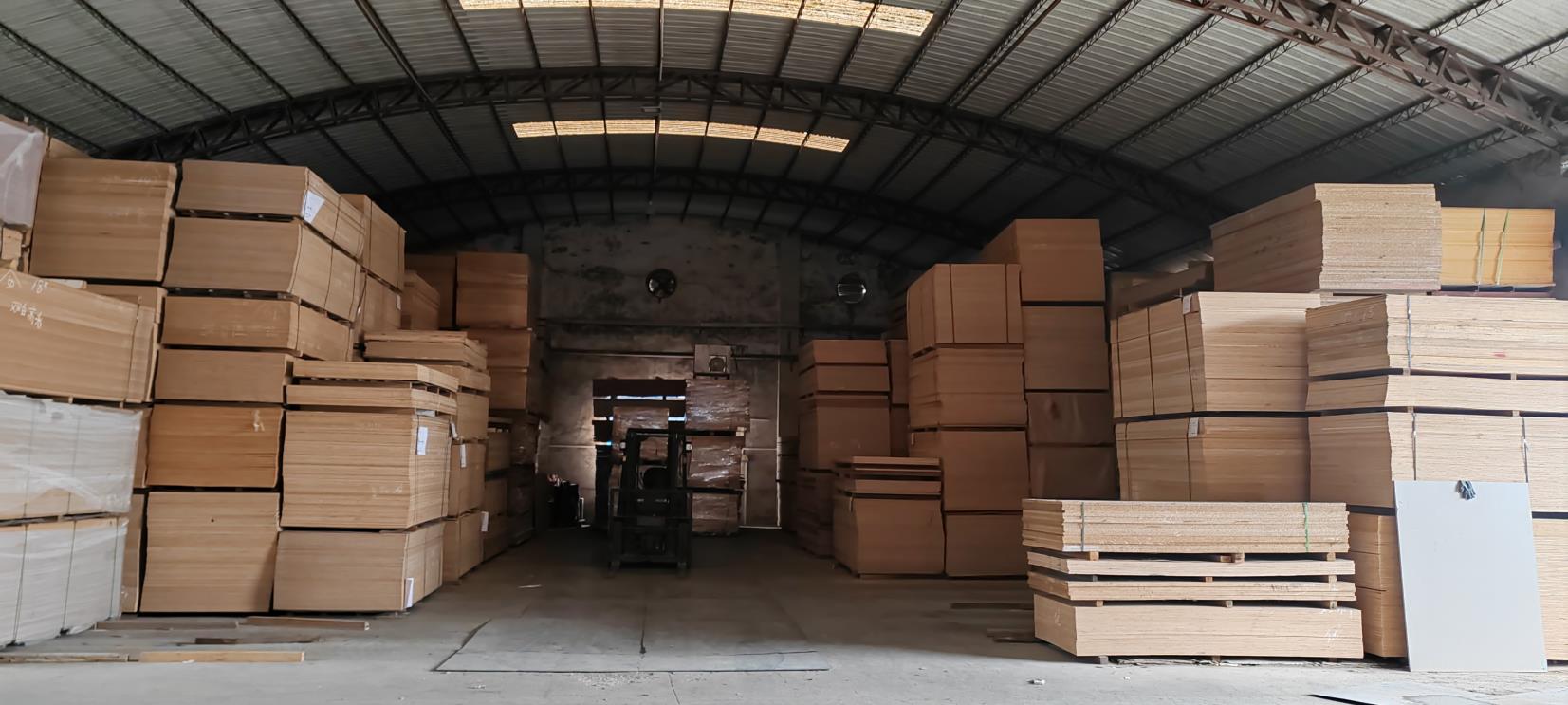
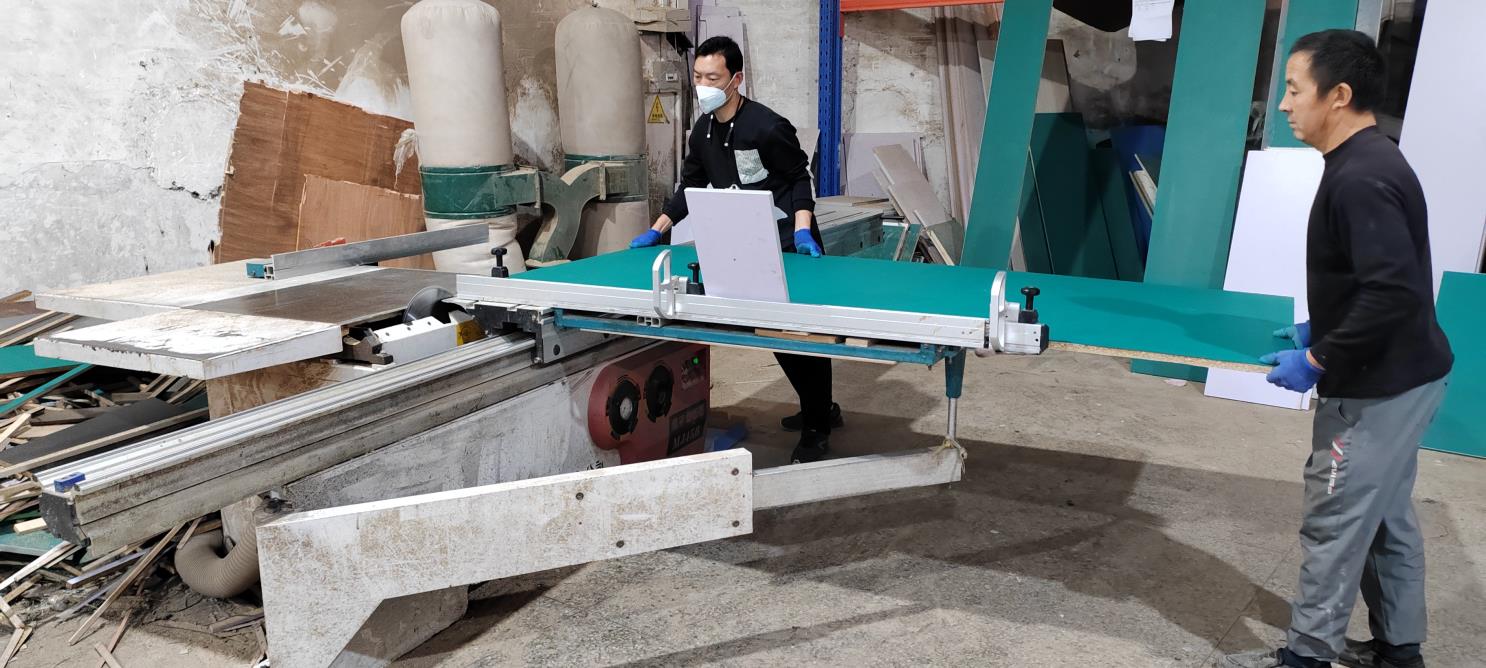
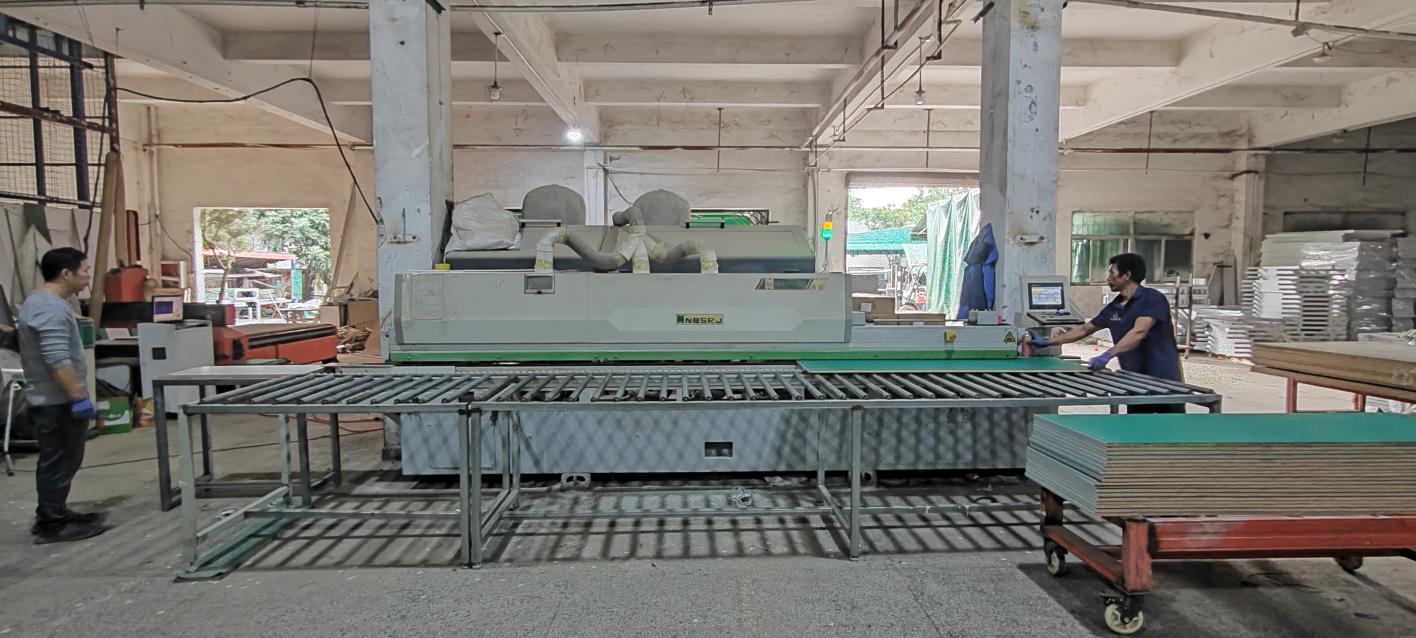
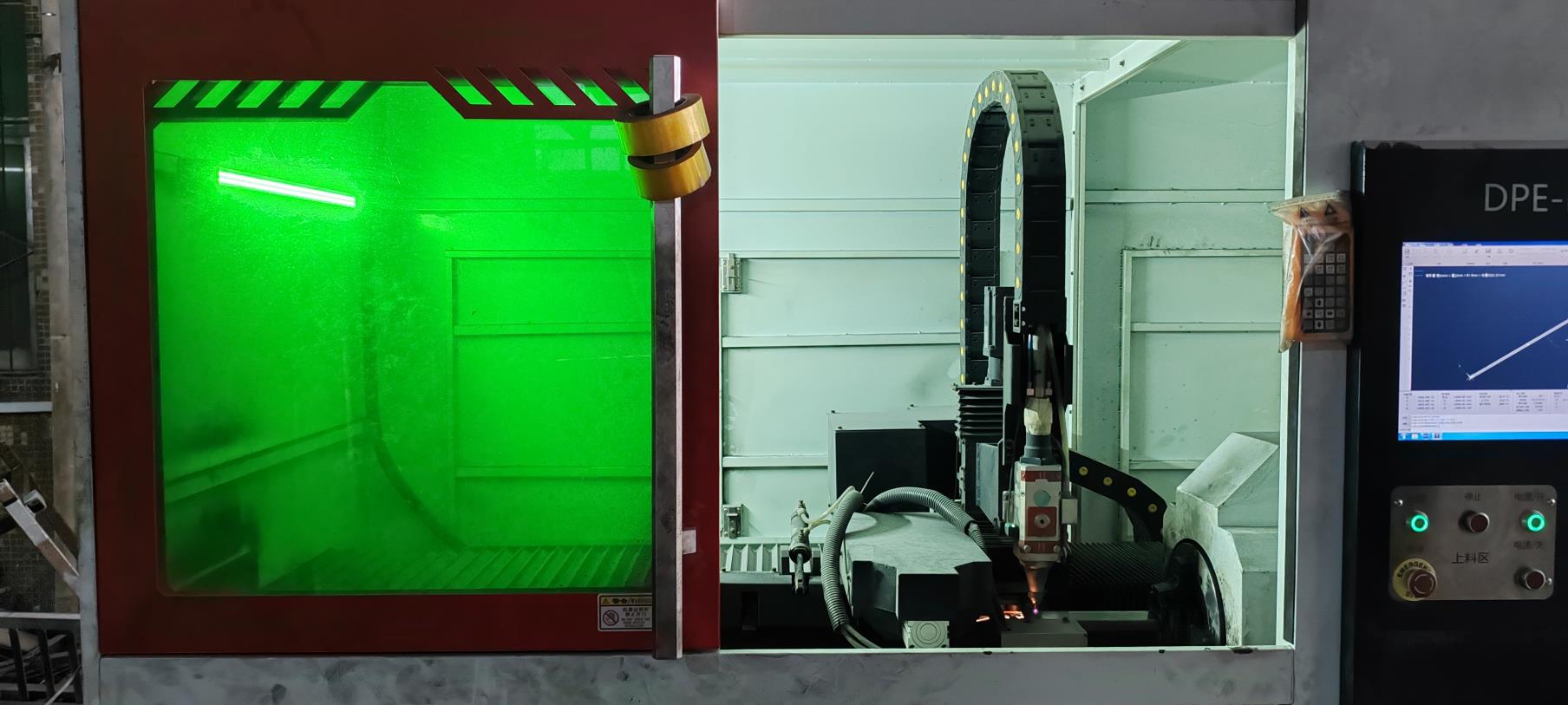
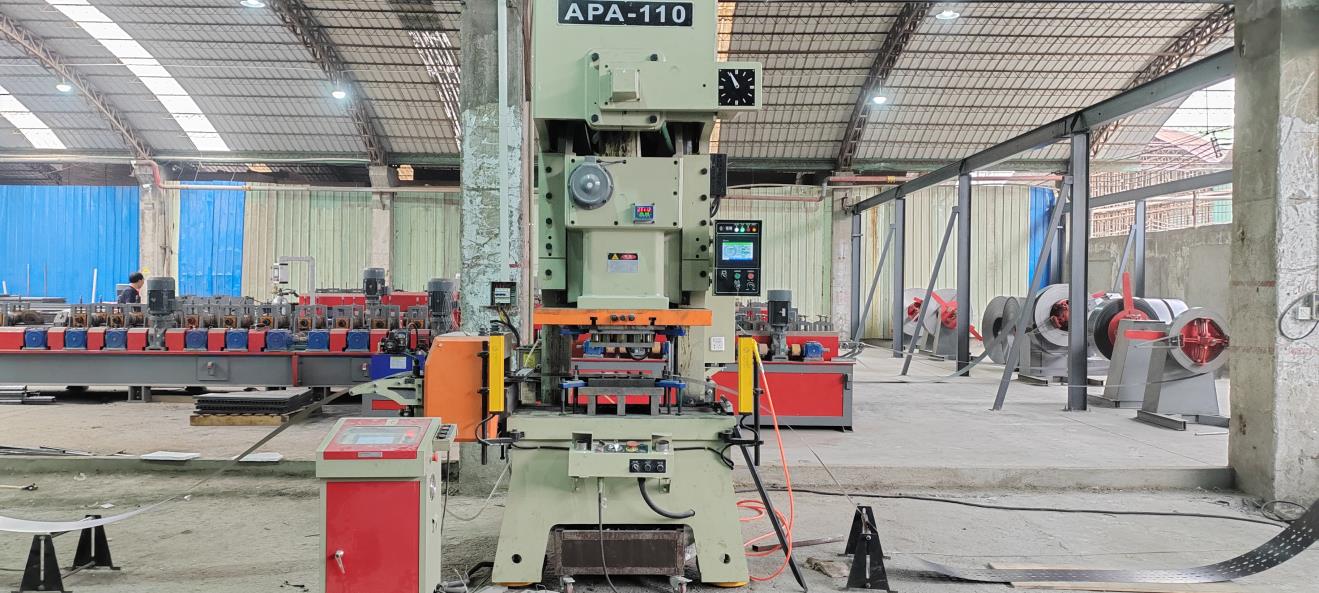
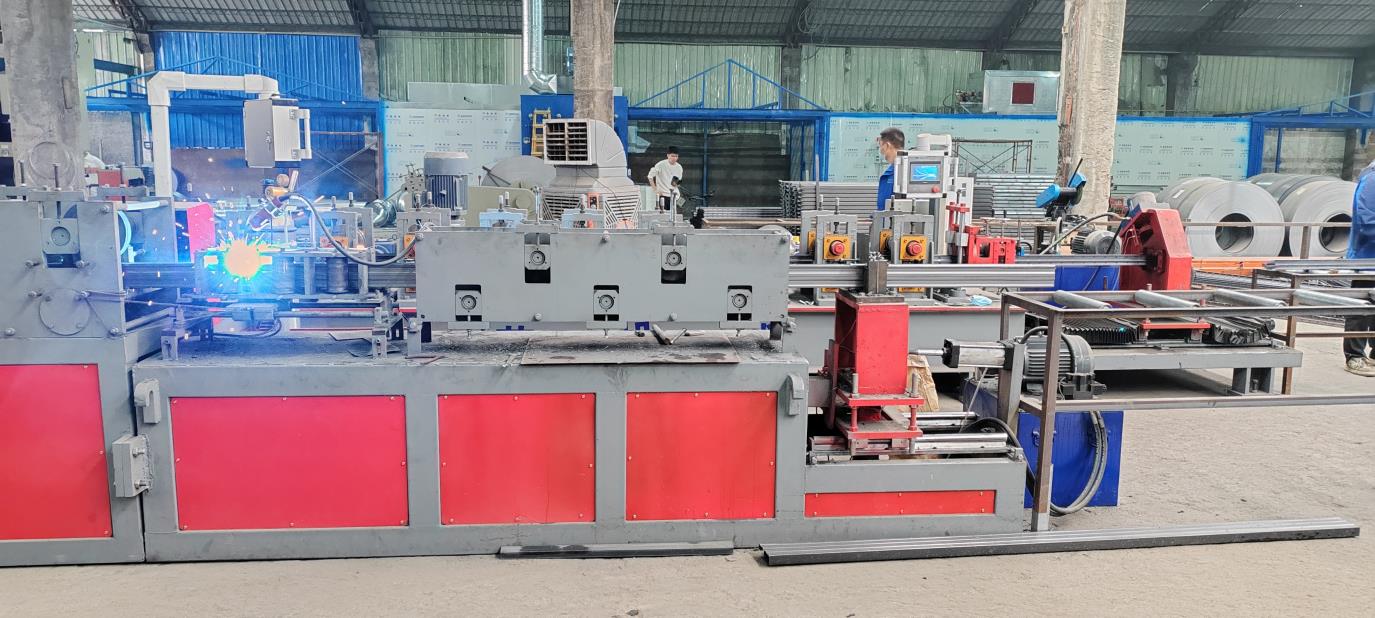
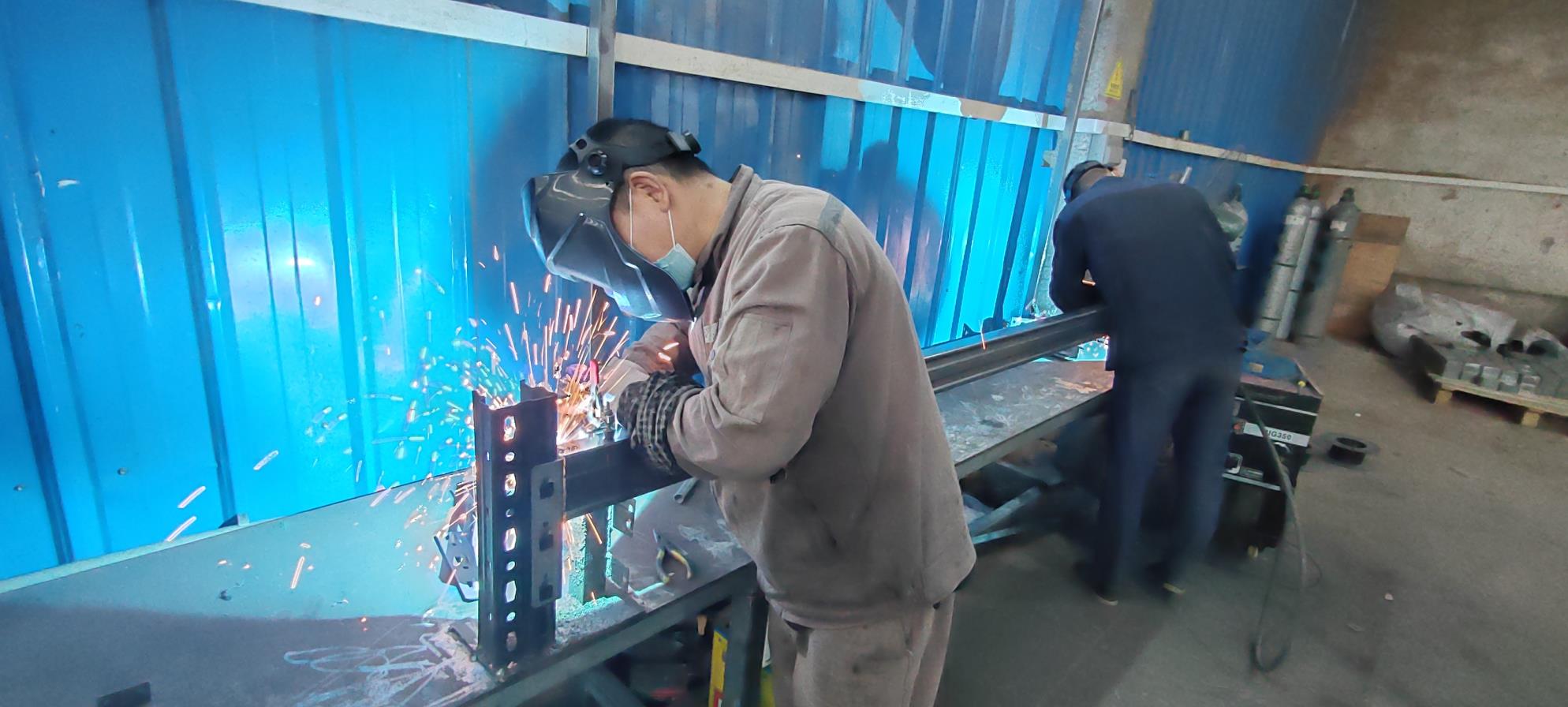
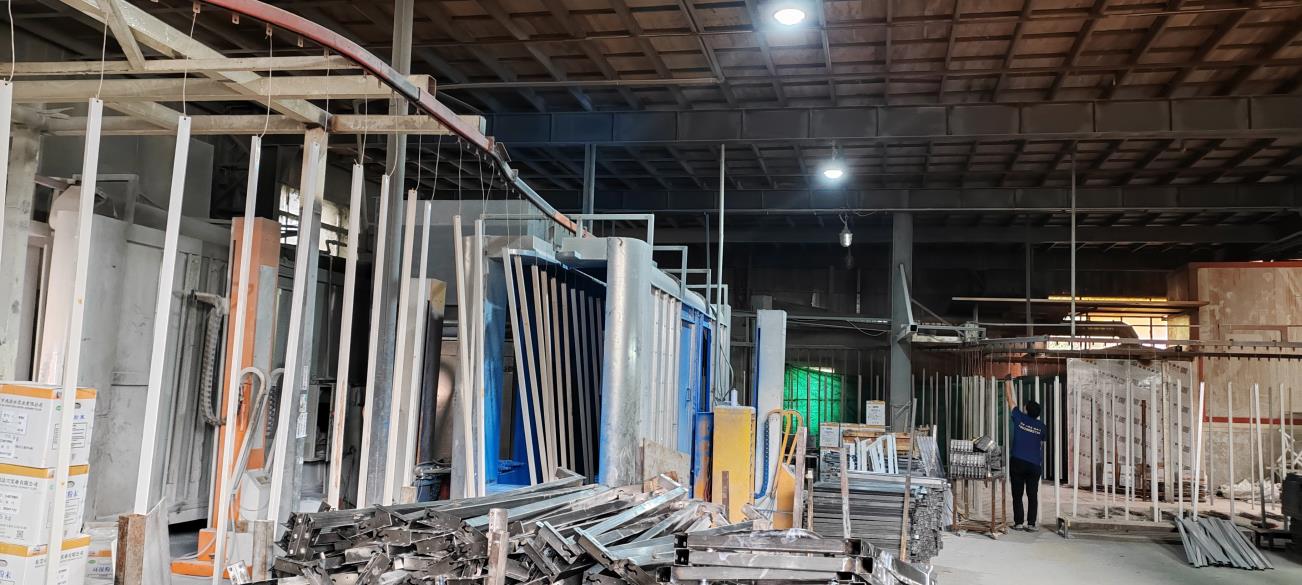
Step-by-step display of our automated fabrication process, ensuring strict adherence to global safety and load rating requirements.
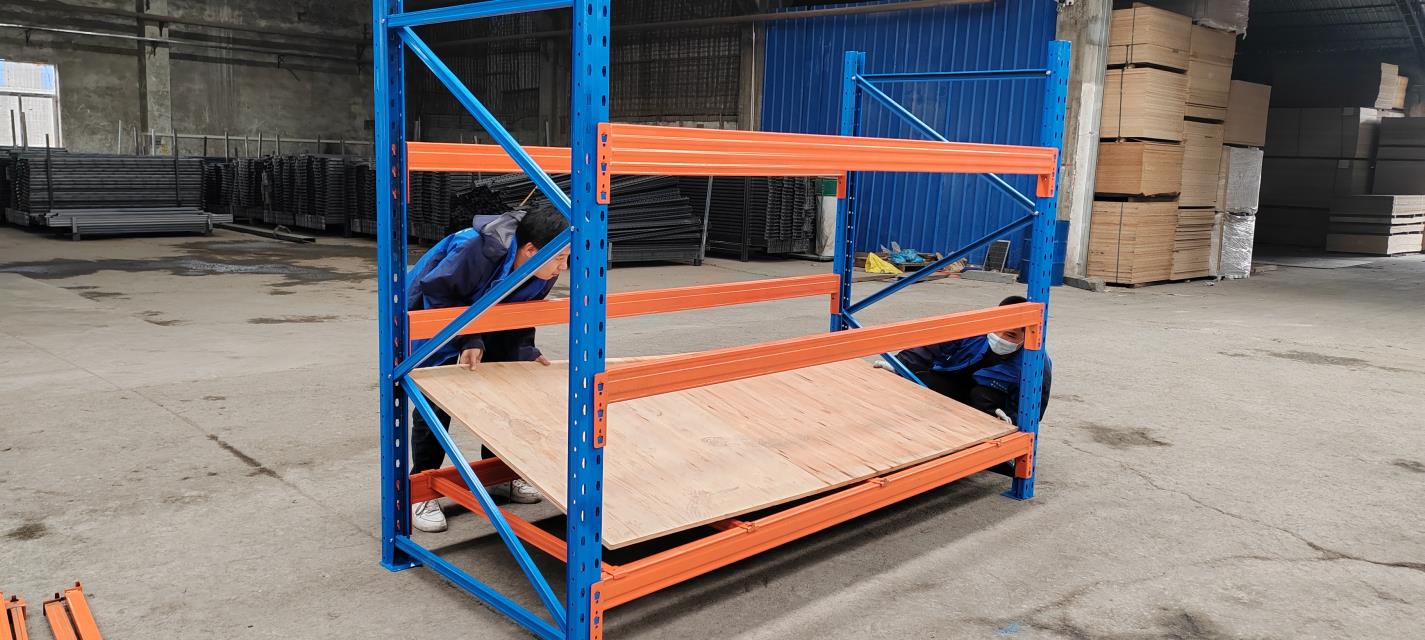
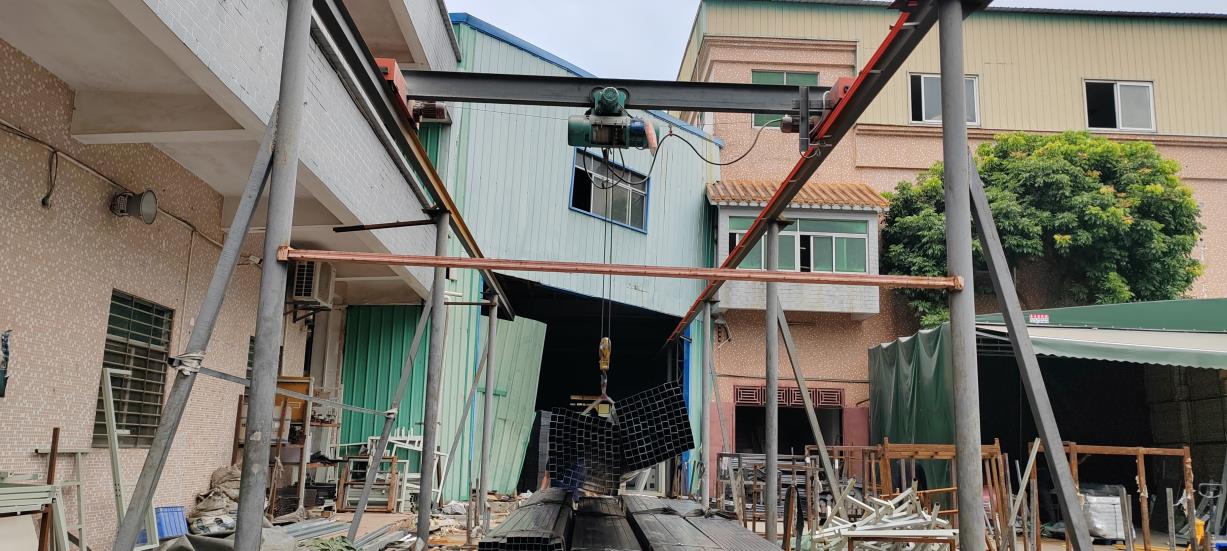
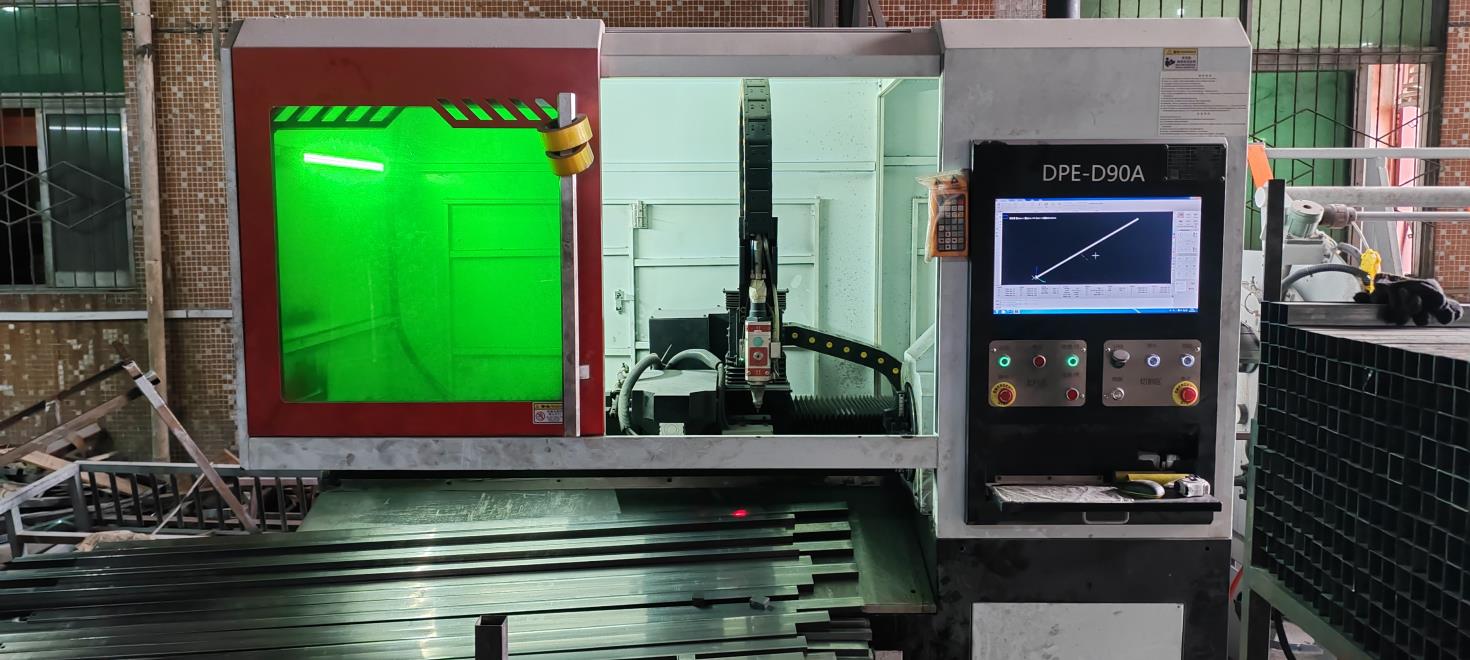
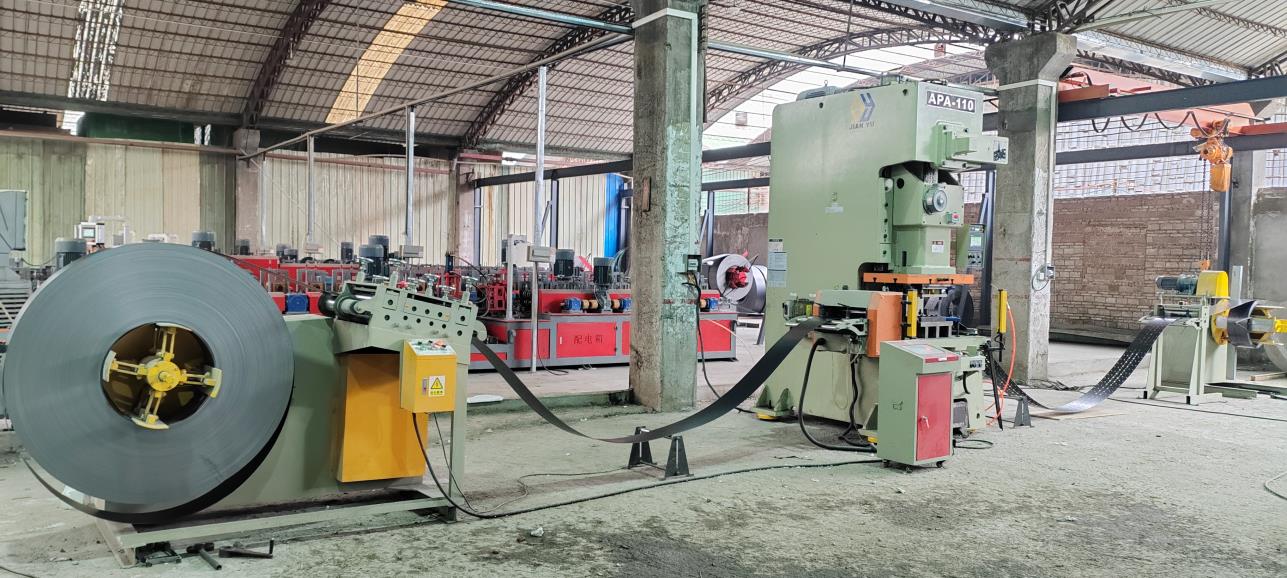
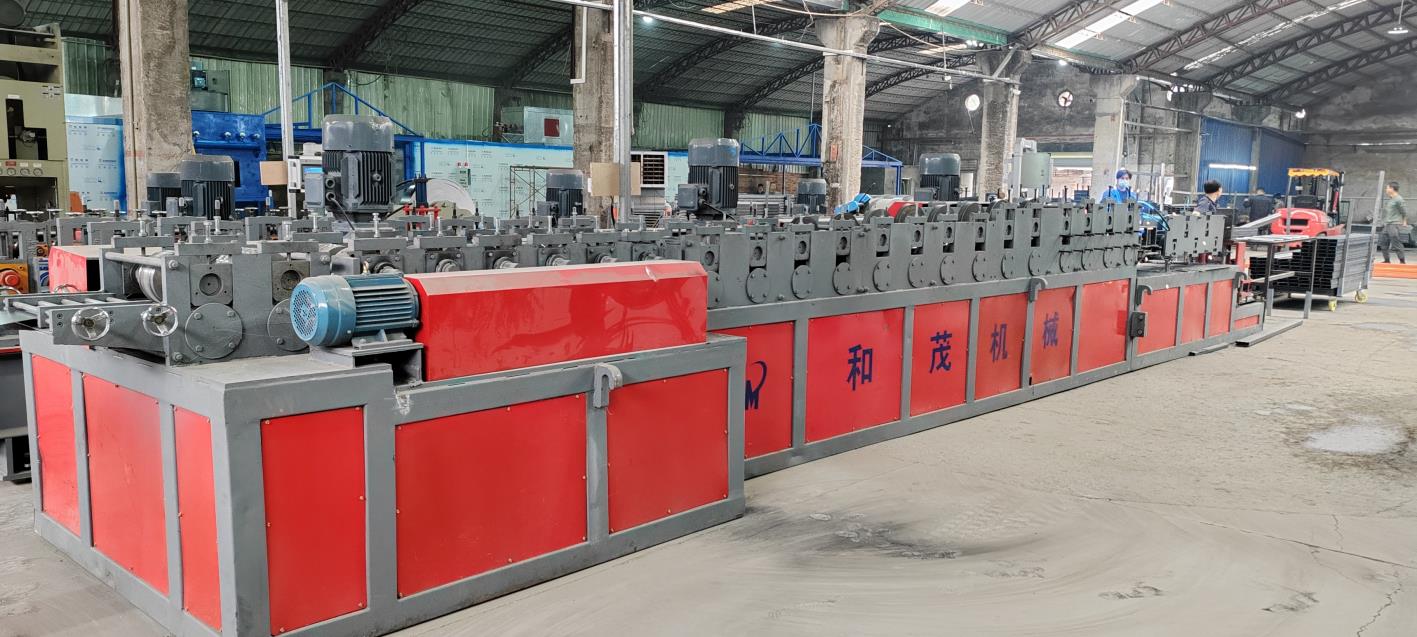
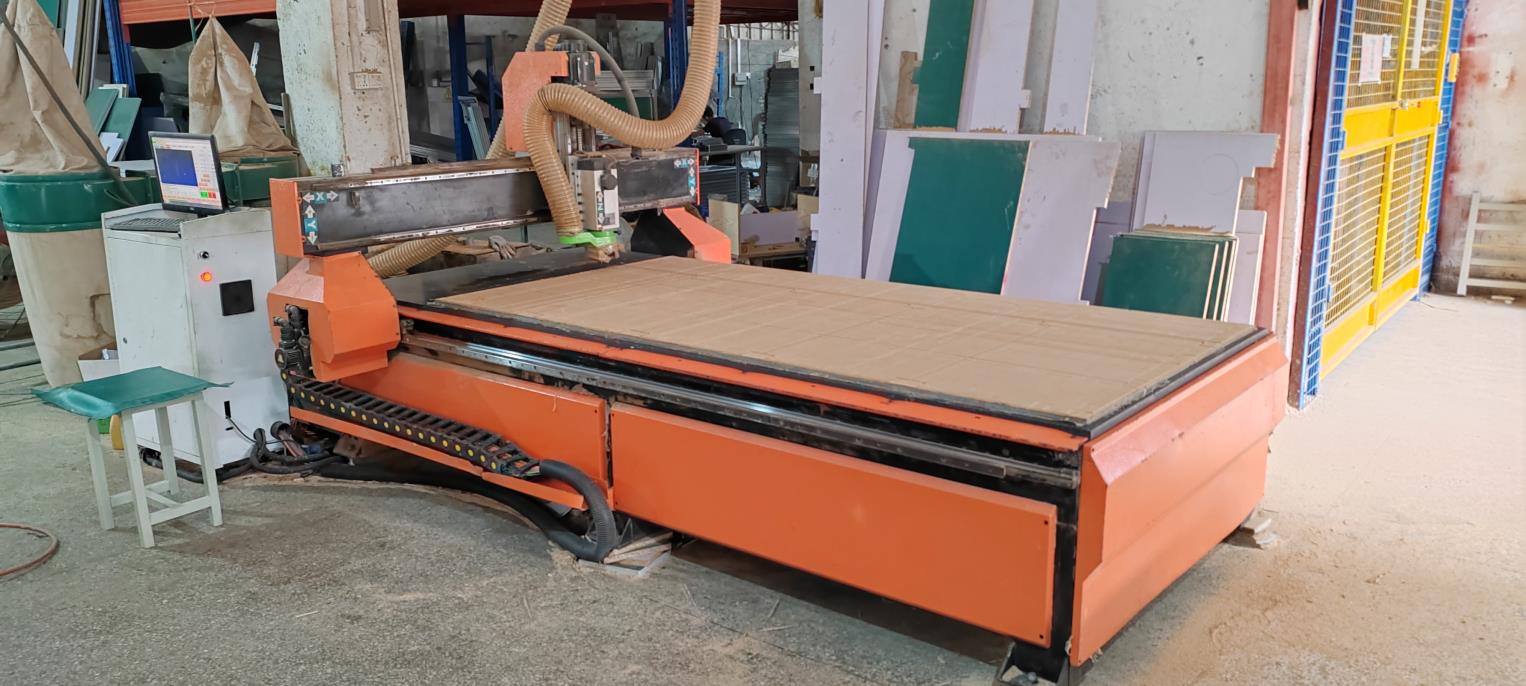
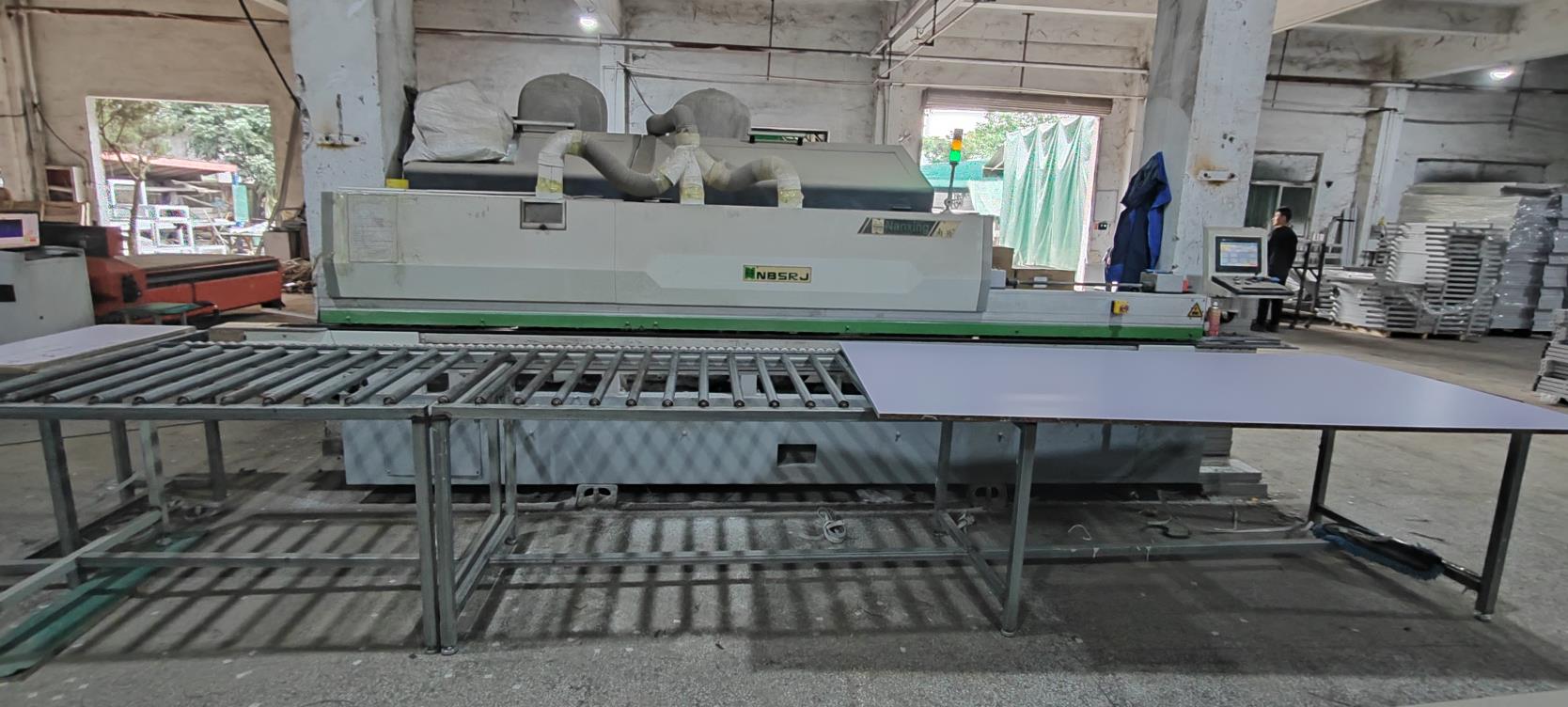
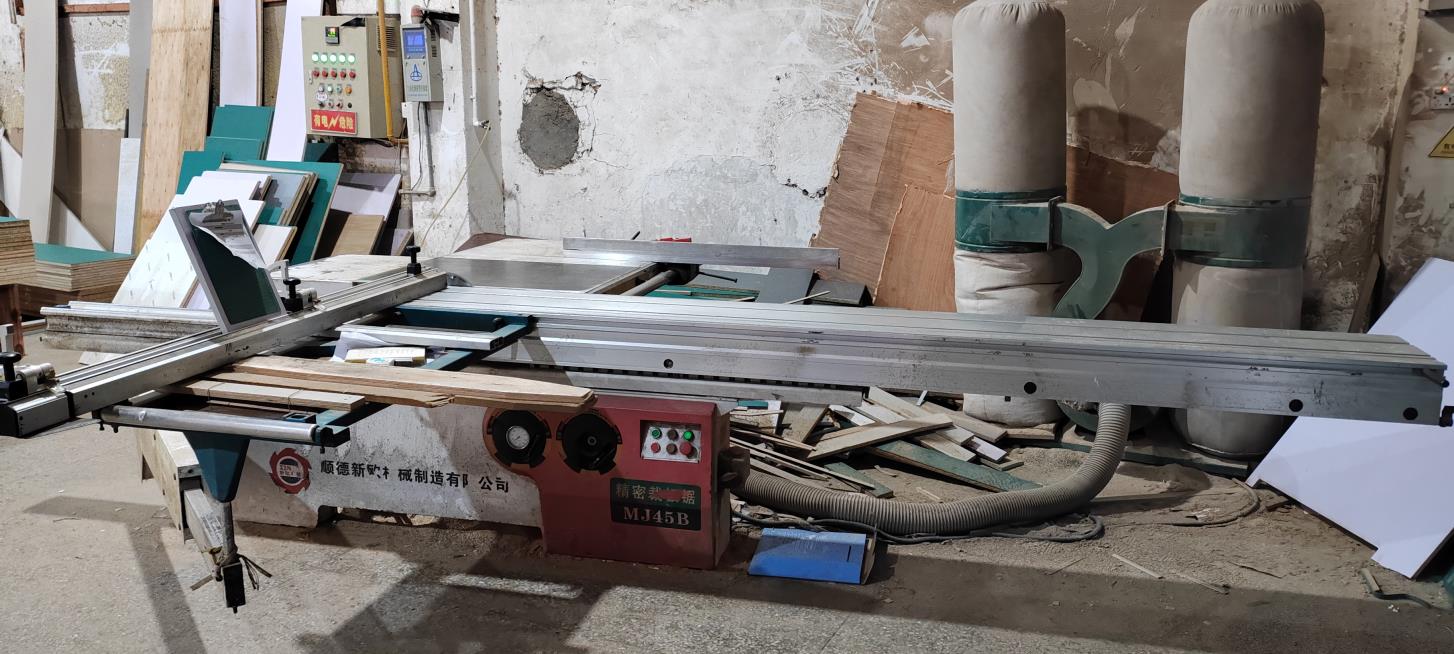
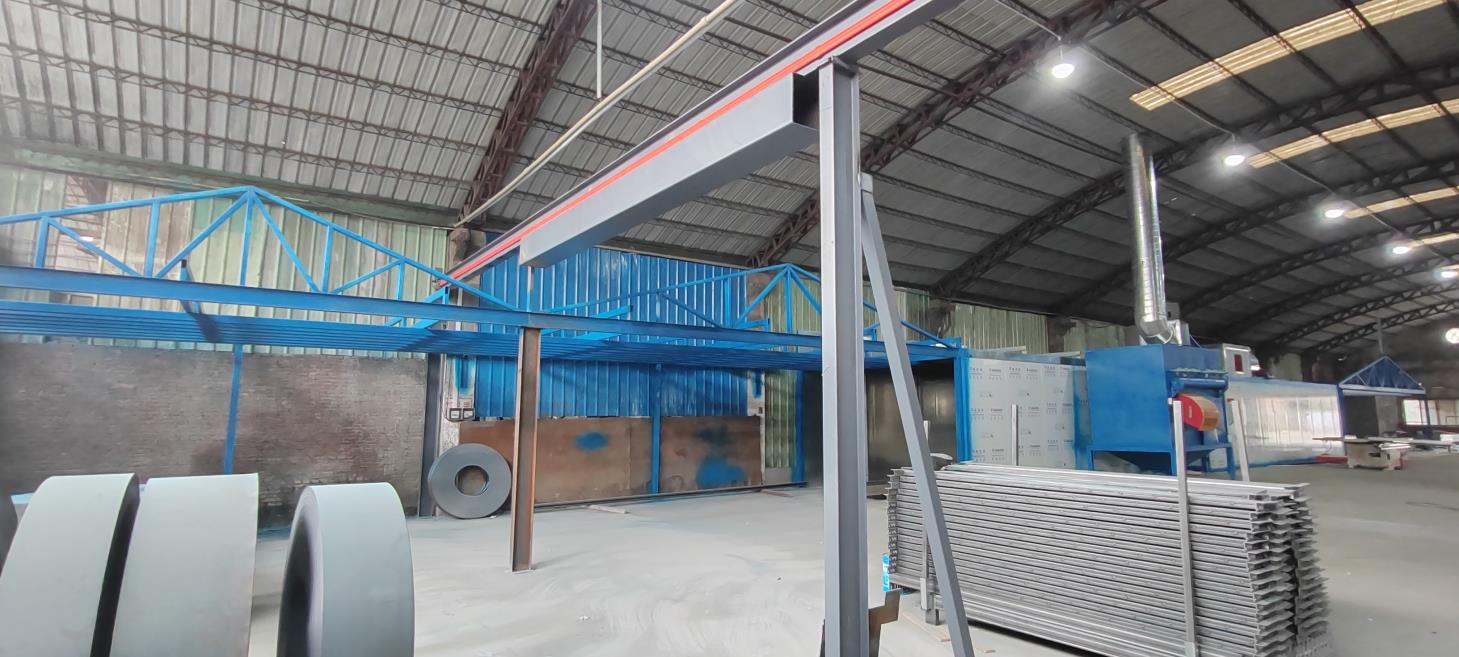
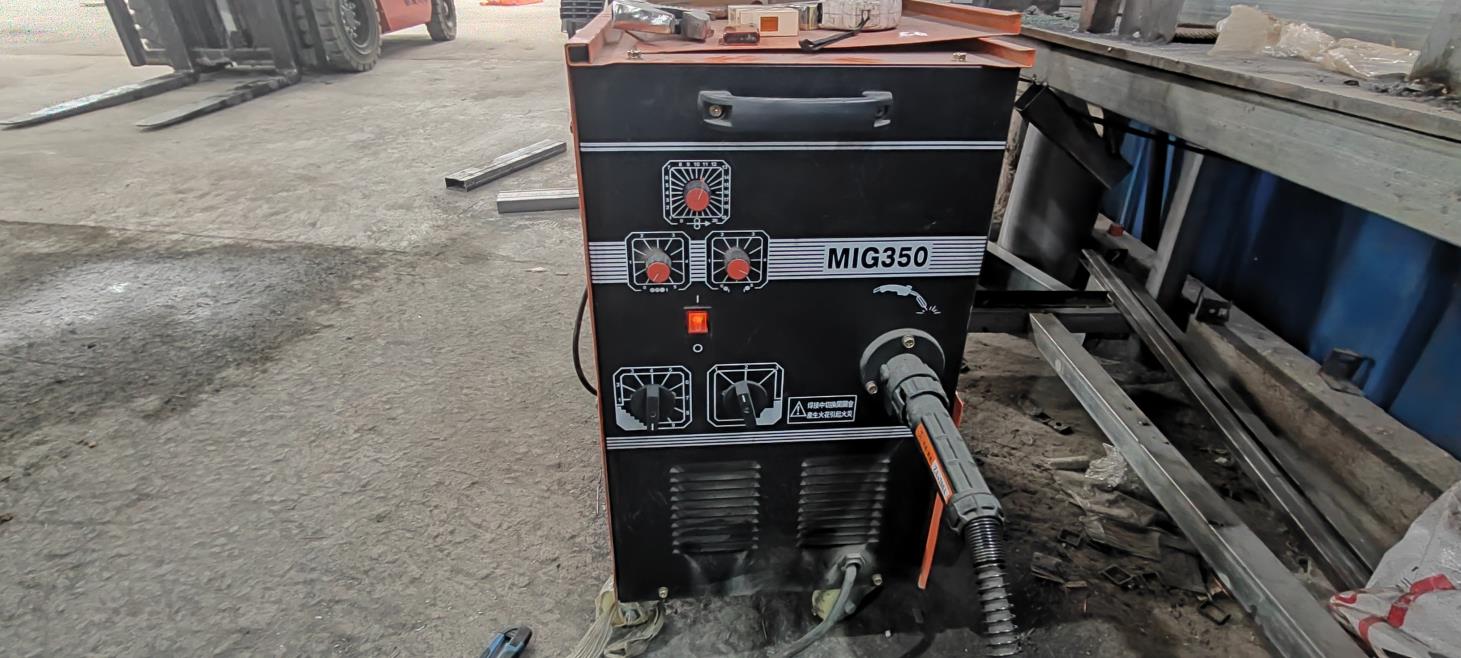
Why sourcing from China's premier racking cluster delivers cost efficiencies and technical advantages for global buyers.
Nanjing is the epicenter of the global warehouse racking industry, accounting for a significant share of heavy-duty cold-formed steel structure exports. This concentration provides immediate access to major national steel producers (like Baosteel and Ansteel). This proximity guarantees raw material traceability, minimizing transport overheads and lowering structural cost barriers for custom steel grades.
Proximity to automated powder coating formulators, zinc-galvanizing facilities, and specialized logistics corridors makes Nanjing-based manufacturers highly cost-competitive. Suppliers here can easily adjust production runs to meet international standards (like AS4084 in Australia or RMI standards in the USA).
Building localized engineering networks to navigate regional compliance standards and simplify installation logistics.
Heavy-duty warehousing structures require compliance with local regulations. In the European Union, stacking units and pallet converters must carry the CE mark and meet TUV certification standards. In North America, structural calculations must satisfy ANSI MH16.1 (Specification for the Design, Testing, and Utilization of Industrial Steel Storage Racks). For Australian sectors, compliance with AS4084-2012 is required to pass regulatory site inspections.
Nanjing Fortis designs products around these regulatory frameworks. Structural engineers use automated Coordinate Measuring Machines (CMM) and salt spray corrosion testing chambers to verify that base welds and surface coatings withstand harsh conditions (such as cold chain warehouses and high-moisture agricultural processing hubs).
Sourcing directly from overseas factories can introduce logistical challenges at the final port of delivery. Successful B2B operations address this by partnering with local installation and engineering networks. These local teams manage customs clearance, verify structural loads on site, and handle anchor-setting and safety testing, providing a smooth transition from arrival to final assembly.
Analyzing how engineering modifications meet the demands of challenging storage environments.
Working in sub-zero environments (down to -30°C) requires specialized low-temperature structural steel. Basic carbon steel can become brittle under extreme cold. Our cold-storage stacking configurations feature hot-dip galvanized finishes or specialized low-temperature powder coatings to prevent corrosion and structural embrittlement.
Heavy stamping dies, engine blocks, and sub-assemblies require high weight-capacity solutions. Stacking racks used in these sectors feature reinforced base assemblies and custom corner posts. These reinforcements help withstand high dynamic forces when heavy components are loaded and moved by forklifts.
Storing seeds, fertilizers, and raw materials requires flexible systems that adapt to seasonal supply changes. Portable stackable racks allow warehouses to scale up storage capacity during harvest periods and quickly fold or nest the empty units away to save floor space during the off-season.
Technical answers to common engineering, procurement, and logistics questions from warehouse operations directors.
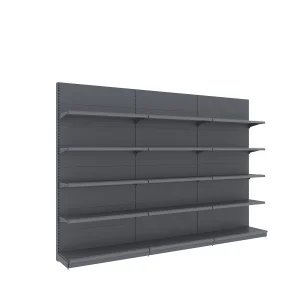
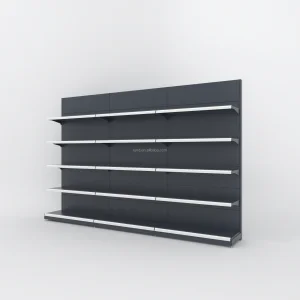
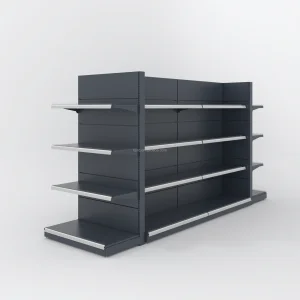
Heavy-duty, high-capacity components engineered for industrial warehouses and commercial retail spaces.
 FortisRack