Choosing the right shelving system can shape a warehouse, showroom, office, or home for years. The 10 Best Modular Shelving Systems for Global Buyers examines practical options across different markets, budgets, and room sizes. Modular Shelving offers adaptable storage, but flexibility alone does not guarantee a smart purchase. Load capacity, connection quality, surface finish, and replacement-part availability deserve equal attention.
This guide draws on product specifications, assembly experience, and common buyer concerns. It considers steel, aluminum, wood-based panels, and hybrid designs. Each material behaves differently in humid rooms, busy retail spaces, and temperature-changing warehouses. A shelf that feels stable in a quiet office may perform poorly under repeated commercial use. Small details matter. Check the frame thickness. Inspect the locking points. Measure the wall twice.
Global buyers also need dependable shipping information and clear installation instructions. Packaging quality can affect the final result, especially when shelves travel long distances. Warranty terms, local support, and compatible accessories may matter more than a low starting price. Product availability can change, too. That makes every ranking partly time-sensitive.
No system fits everyone. That is worth admitting. The strongest choice depends on weight requirements, available floor space, style preferences, and future expansion plans. Some recommendations may look less impressive but offer easier maintenance. Others may provide better design value while demanding more careful assembly. This comparison aims to make those trade-offs visible, helping buyers choose with evidence rather than attractive photographs alone.
What Modular Shelving Systems Are and How They Work
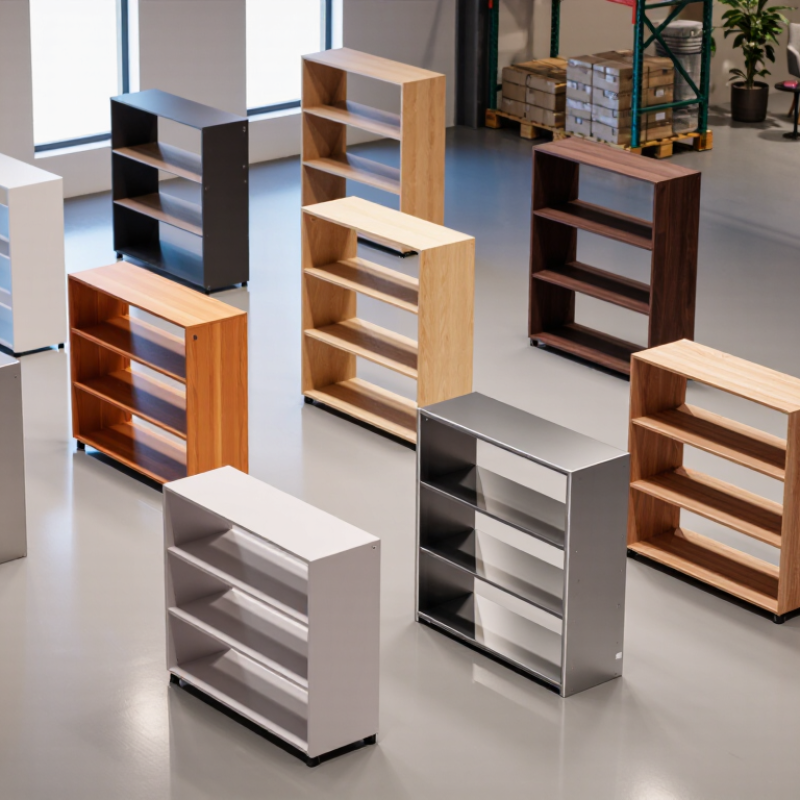
Modular shelving systems are storage structures built from interchangeable parts. Typical components include vertical uprights, shelves, brackets, connectors, and adjustable feet. Buyers can combine these parts without replacing the entire unit. A shelf may move from 30 to 40 centimeters high, creating space for boxes, tools, books, or display items.
The system works through repeated connection points. Slots, rails, or screw fittings hold each shelf in place. Users can add sections, change shelf heights, or create corner layouts as storage needs develop. Some models include wheels, while others require wall anchoring for stability. Assembly is usually straightforward, but accurate measurement still matters. A few millimeters can affect alignment.
Material choice changes performance. Powder-coated steel suits heavier loads and busy warehouses. Aluminum reduces weight and resists corrosion in many indoor environments. Engineered wood can provide a warmer appearance, but it needs careful moisture control. Buyers should check load ratings, shelf thickness, connector strength, and packaging protection. Local floor conditions also deserve attention.
A practical warning: published capacity may assume evenly distributed weight. One heavy box placed at the center can behave differently. Installation guides are useful, yet they cannot replace a site check. For international orders, confirm dimensions, spare parts, assembly tools, and shipping damage procedures before payment. The most flexible system is not always the safest choice. Sometimes, fewer adjustments create better long-term reliability.
Key Features Global Buyers Should Compare
10 Best Modular Shelving Systems for Global Buyers
Key Features Global Buyers Should Compare
When comparing modular shelving systems, begin with load capacity, shelf dimensions, and adjustment ranges. A strong frame can still fail if connectors loosen under uneven weight. Check whether shelves support tools, cartons, or delicate inventory without bending. Steel, aluminum, and engineered panels offer different balances of strength, weight, and corrosion resistance. For humid warehouses, protective finishes matter. Request test data rather than relying on attractive product images.
Modularity should allow shelves, dividers, wheels, and supports to change without rebuilding the entire unit. Installation time also affects labor costs, especially for overseas projects. Examine packing quality, replacement-part availability, lead times, and technical instructions. Buyers should compare warranty terms carefully. A long warranty means little if international claims are slow or unclear. I have found that small details, such as numbered parts and stable leveling feet, often prevent expensive installation mistakes. No system wins every test.
Tips: Measure the real storage area first. Leave space for doors, walkways, and future expansion. Ask suppliers for load ratings at each shelf level, not only for the full unit. Confirm material specifications, safety testing, and export packaging. Photos help, but a sample inspection is more reliable. Also, compare total delivered cost, including freight, duties, assembly, and replacement components. A lower purchase price may not stay lower.
Ten Leading Modular Shelving Systems by Use Case
10 Best Modular Shelving Systems for Global Buyers
Ten Leading Modular Shelving Systems by Use Case
Modular shelving should match the task, not only the room. For home pantries, adjustable wire shelves improve visibility around jars and small appliances. Garage systems need deeper decks, stronger bracing, and rubber feet for uneven floors. Office shelving suits lightweight files and quick reconfiguration. Retail displays benefit from clean access and interchangeable panels. Library and archive units require stable spacing, low vibration, and careful dust control. No system wins every room.
Warehouse picking needs high load capacity, clear labels, and safe access from both sides. Cold-room shelving should resist corrosion and remain usable near condensation. Workshop shelving needs reinforced surfaces for tools, parts, and occasional impact. Healthcare storage demands smooth, cleanable surfaces and predictable spacing. Temporary event systems should be light, reusable, and fast to assemble. MHI’s 2024 Annual Industry Report says 83% of supply-chain leaders expect to adopt robotics and automation by 2028. Shelving must therefore support scanners, bins, and changing workflows.
The U.S. Census Bureau reported 2024 U.S. retail e-commerce sales of about 1.19 trillion dollars, or 16.1% of total retail sales. That growth increases pressure on picking and returns areas. Before buying, global purchasers should verify load ratings, corrosion resistance, packaging strength, and local safety requirements. A practical audit measures aisle width, floor level, and the largest stored item. Small details matter. I would still test one bay before ordering hundreds. Manufacturer claims can look precise, yet real warehouses are rarely perfect.
Materials, Load Capacity, Assembly, and Customization Options
10 Best Modular Shelving Systems for Global Buyers
Material selection affects durability, cleaning, and long-term stability. Powder-coated steel suits warehouses, workshops, and retail backrooms with frequent handling. Aluminum reduces weight and resists corrosion in humid environments. Solid wood adds warmth, but moisture can cause warping without sealed surfaces. For food-related storage, buyers should verify surface safety and cleaning requirements with suppliers.
Load capacity needs more than a headline number. Check the rated capacity per shelf, bay, and total frame. Ask whether testing used evenly distributed weight or concentrated boxes. A shelf holding 100 kilograms evenly may perform differently under one dense carton. Include a safety margin. Real storage rarely stays perfectly organized. Labels help.
Assembly quality influences labor costs and daily safety. Boltless designs can shorten installation, while bolted frames usually provide stronger adjustment control. Inspect connector fit, upright thickness, and leveling feet before accepting a shipment. During warehouse fit-outs, small floor variations often create unexpected wobbling. Adjustable feet solve some problems, not all. A wall anchor may still be necessary.
Customization can include shelf depth, height, color, dividers, casters, and closed panels. Confirm metric dimensions, packaging standards, replacement-part access, and instruction language before ordering internationally. Samples are useful, but one sample cannot reveal every production variation. I would request load-test documents, assembly drawings, and corrosion information in writing. Mistakes happen when buyers compare price before comparing specifications.
10 Best Modular Shelving Systems for Global Buyers
Materials, load capacity, assembly time, and customization options
The chart compares typical maximum load capacity per shelf for widely used modular shelving formats. Values are representative market specifications for standard configurations; actual capacity depends on shelf size, beam spacing, bracing, floor conditions, and installation quality. Steel systems generally provide the highest load capacity, while aluminum and wire systems usually offer faster assembly and easier reconfiguration.
Shipping, Compliance, Pricing, and Supplier Evaluation Factors
For global buyers, modular shelving should be judged beyond appearance. A supplier must state the packed dimensions, gross weight, pallet count, and shipping method. One small mismatch can turn a planned container load into expensive unused space. Ask for carton photos, corner protection details, and replacement-part procedures before placing an order. Packaging matters.
Compliance also needs practical checking. Request material declarations, load-test reports, coating specifications, and installation instructions in clear English. Confirm whether the system meets the destination market’s safety and labeling requirements. Requirements can vary by country and building use. Do not accept a generic certificate without checking its scope, test date, and issuing laboratory. I have seen impressive documents that covered only one component, not the complete shelving unit.
Pricing should include more than the factory quote. Compare tooling, samples, export packing, freight, duties, inspection, and after-sales support. Ask for tiered prices at realistic quantities, not only at a volume you cannot store. A cheaper supplier may offer thinner panels or weaker connectors. Measure those details. Evaluate production capacity, quality records, response time, and corrective-action habits. Request a pilot order with a written inspection checklist. It may feel slower. Yet a small trial can expose missing hardware, uneven holes, or unclear assembly steps before thousands of units move across borders. Supplier scores should be reviewed after delivery, because promises made during negotiation are not performance evidence.
FAQS
Compare load ratings, shelf sizes, adjustment ranges, materials, packaging, and delivered costs. Measure the storage area carefully. Leave room for doors, walkways, and future expansion.
Check capacity per shelf, bay, and complete frame. Ask whether testing used evenly distributed or concentrated weight. One heavy carton can stress a shelf differently. Include a safety margin.
Powder-coated steel handles frequent warehouse use and cleaning. Aluminum weighs less and resists corrosion in humid spaces. Sealed wood looks warmer, but moisture may cause warping. Material choice is not always obvious.
Loose connectors can fail under uneven weight. Leveling feet reduce wobbling on imperfect floors. They do not solve every problem. A wall anchor may still be needed for stability.
Boltless frames can shorten installation time. Bolted frames often offer stronger adjustment control. Numbered parts and clear drawings reduce mistakes. Labor costs can rise quickly overseas.
Ask about shelf depth, height, dividers, colors, casters, and closed panels. Confirm metric dimensions before ordering. Small measurement errors can make a unit unusable.
Request load-test data, material specifications, assembly drawings, corrosion information, and safety testing. Ask for written answers. Product photos are helpful, but they prove very little.
Include freight, duties, assembly, packaging, and replacement components. A lower purchase price may not remain lower. Check lead times and warranty claims too. Slow support can become expensive.
Conclusion
This guide explains what Modular Shelving systems are, how their interchangeable components work, and why they are useful for homes, offices, warehouses, retail spaces, and other international applications. It outlines the main features global buyers should compare, including adjustability, structural stability, space efficiency, ease of reconfiguration, and compatibility with different environments. The article also presents ten leading system types organized by practical use case, helping readers match shelving designs to storage needs, room layouts, and operational demands.
Additional sections examine material choices, load capacity, assembly methods, safety considerations, and customization options such as shelf sizes, finishes, accessories, and expansion modules. For international purchasing, the guide highlights shipping arrangements, packaging quality, import documentation, product compliance, delivery timelines, warranty terms, and total pricing. It also recommends evaluating suppliers based on manufacturing consistency, communication, customization capabilities, quality control, and after-sales support, enabling buyers to make informed and cost-effective decisions.

 FortisRack